
Published September 5, 2026
How to Stage a Home in New Hampshire: 2026 Seller Guide

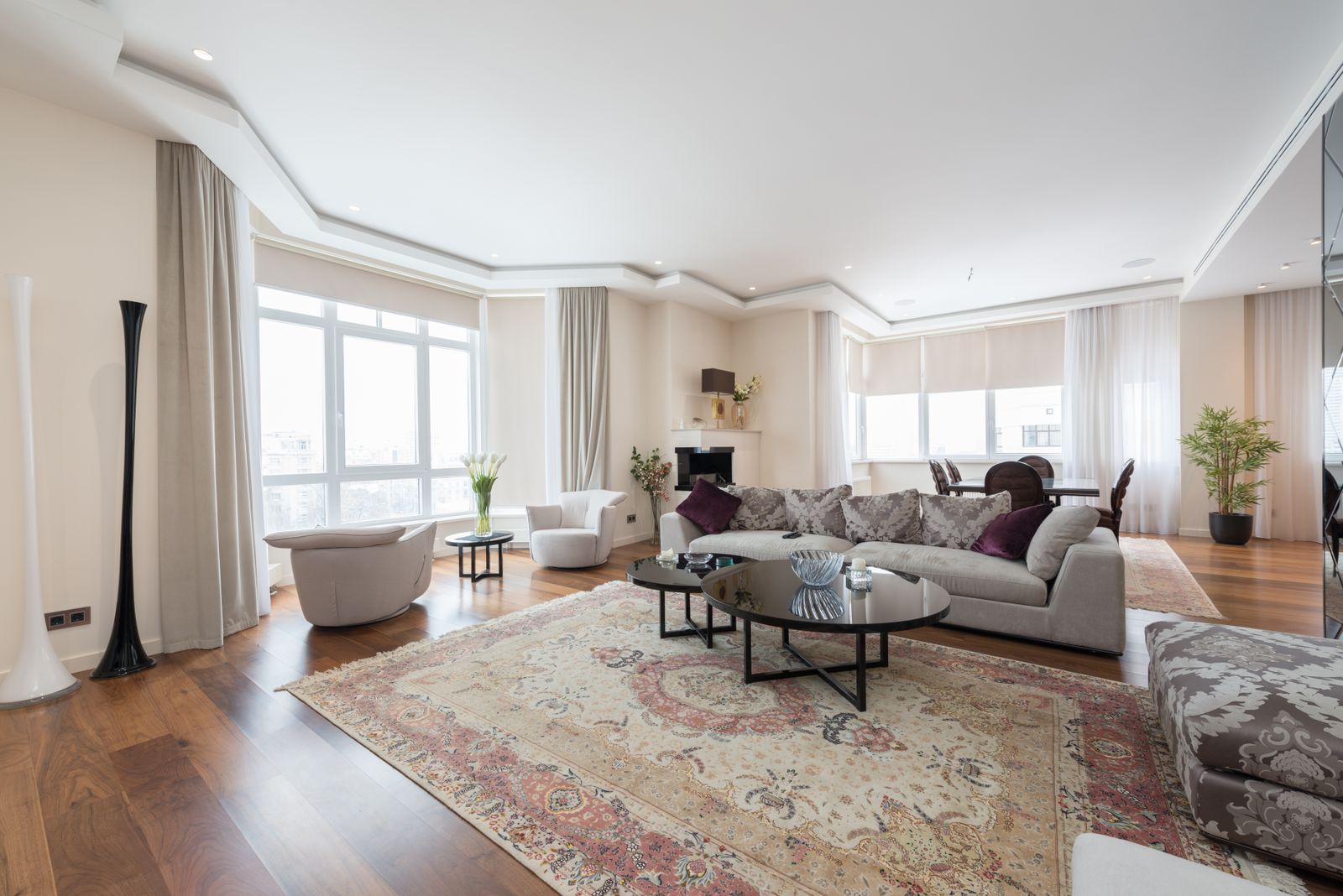
Quick answer: To stage a home in New Hampshire, declutter and depersonalize first, deep-clean and repaint in warm neutrals, then stage the three rooms buyers judge hardest: the living room, primary bedroom and kitchen or dining area. Budget $500 to $1,200 for an occupied-home consultation or $2,000 to $6,000 to furnish a vacant house, and in fall put real effort into curb appeal, lighting and a working fireplace. Done right, staging shortens time on market and can add 1 to 10 percent to offers.
New Hampshire sellers have company on the shelf again. NHAR counted 2,992 single-family homes for sale in July 2026, up 15.6 percent from a year earlier and the most since 2021, even as the statewide median hit a record $580,000. That combination is exactly when presentation starts to matter: buyers finally have choices, and the house that photographs and shows best is the one that gets the first weekend's offers. This guide covers how to stage a home in New Hampshire in 2026, what it costs here, and what actually moves the needle on Bedford, Manchester and Nashua listings.
Does staging really help a house sell in New Hampshire?
Yes, and the data is unusually clear. In the National Association of REALTORS' 2025 Profile of Home Staging, 83 percent of buyers' agents said staging made it easier for their clients to picture the property as their future home, 49 percent of sellers' agents said staging cut time on market, and 29 percent reported offers 1 to 10 percent higher than on comparable unstaged homes. On a $580,000 New Hampshire median, even the low end of that range is $5,800, which covers most staging budgets several times over.
The New Hampshire wrinkle is that our market is split. Inventory is loosening, but months' supply was still just 2.7 in July, so a well-presented, correctly priced home in Bedford or Londonderry still draws competing offers in week one while a tired, over-priced one sits for months. Of the multiple-offer situations our team has been part of this summer, the common thread was not price alone. Those homes were priced at the lower end of their range and they showed like model homes. Staging is the presentation half of that formula, and it is the half most sellers skip.
How much does it cost to stage a home in NH?
Staging pricing in southern New Hampshire tracks the national figures fairly closely. According to 2026 Angi cost data, an initial consultation runs $150 to $600, an occupied-home staging plan that works with your existing furniture costs $500 to $1,200, and a vacant home needs $2,000 to $6,000 to furnish for the first month plus $500 to $2,000 per month after that. Most stagers require a 30-to-90-day minimum.
| Staging type | Typical NH cost | Best for |
|---|---|---|
| Consultation only | $150 to $600 | Owner-occupied homes; you do the work |
| Occupied staging | $500 to $1,200 | Homes with decent furniture that need editing |
| Vacant staging (3 to 4 rooms) | $2,000 to $6,000 setup + monthly rental | Estates, relocations, new construction |
| DIY with agent guidance | $200 to $800 in paint, bulbs and rentals | Sellers on a budget who will follow a checklist |
A useful rule: spend on staging in proportion to price and competition. A $900,000 Bedford colonial competing against three similar listings should be professionally staged. A $400,000 Manchester ranch with little competition often needs only a consultation.
How to stage a home in New Hampshire, step by step
1. Declutter and depersonalize
Remove a third of everything: closets, kitchen counters, bookshelves, the garage. Pack family photos, sports memorabilia and anything with a name on it. Buyers need to picture their own life in the house, and the NAR data says this is the single thing staging does best. Rent a storage pod for the duration of the listing.
2. Deep clean and fix the small stuff
Windows inside and out, grout, baseboards, light switches, the top of the refrigerator. Then fix everything a buyer's inspector would flag as a sign of neglect: dripping faucets, sticking doors, cracked outlet covers, a loose railing. In New Hampshire, also confirm the basement is dry and smells that way; a dehumidifier running for two weeks before photos is cheap insurance.
3. Repaint in warm neutrals
Fresh paint returns more than almost any other pre-listing dollar. Choose warm whites and soft greiges rather than stark white, which reads cold in New England's low-angle fall light. Paint the front door too.
4. Stage the rooms that sell the house
NAR's report found the rooms most often staged are the living room (91 percent), primary bedroom (83 percent) and dining room (69 percent). Follow that order. Pull furniture off the walls into conversation groupings, add one large rug, keep surfaces nearly bare, and make the primary bedroom look like a hotel: crisp white bedding, matching lamps, nothing on the dresser. In the kitchen, clear counters completely except a bowl of fruit or a single plant.
5. Light everything
Replace every bulb with matching 2700K to 3000K LEDs, open every blind, and add lamps in dark corners.
6. Fall curb appeal, New Hampshire style
September and October are peak listing season for buyers who want to close before the holidays, and they are also peak leaf season. Rake and blow leaves before every showing, clean the gutters, cut the lawn short, put out two pots of mums, and stack any firewood neatly. If you have a wood stove or fireplace, clean it, stage the hearth and note the recent chimney sweep in the listing remarks.
7. Make the mechanicals look cared for
New Hampshire buyers walk straight to the basement. Sweep it, label the electrical panel, clear a path to the furnace and water heater, and leave the service records on top of the boiler. It tells the buyer this house was maintained.
What should you skip when staging?
Do not renovate to stage. A new kitchen rarely returns its cost at sale, and a buyer who wants a different kitchen will tear yours out anyway. Skip trendy accent walls, heavy scents and plug-in air fresheners, which many buyers read as hiding something. Do not over-furnish a vacant house either; three or four staged rooms is standard. And do not stage before the professional photos are scheduled. Staging exists for the photos first and the showings second, because 100 percent of your buyers will see the listing online before they see the house.
Related reading
If you are getting a home ready to list, these guides cover the rest of the prep: does professional real estate photography matter when selling in NH, how to price your New Hampshire home correctly, and what it costs to sell a house in New Hampshire in 2026.
Frequently asked questions
Is it worth staging a home in New Hampshire in 2026?
Yes for most sellers. With inventory up 15.6 percent year over year, buyers can compare, and NAR's 2025 data shows staging shortens time on market for about half of listings and raises offers 1 to 10 percent for nearly a third. On a $580,000 median that is $5,800 to $58,000 against a typical $500 to $6,000 staging budget.
What rooms matter most when you stage a home in New Hampshire?
The living room, primary bedroom and kitchen or dining area, in that order. In New Hampshire add the basement and the entry or mudroom, because buyers here inspect mechanicals closely and use the mudroom every day from November to April.
Should I stage my house in the fall?
Absolutely. Fall is a strong listing window in southern NH, with buyers trying to close before the holidays. Lean into the season: leaves cleared, mums on the steps, fireplace staged and every lamp on for showings, since daylight fades by 6 p.m. in October.
Can I stage a home myself instead of hiring a professional?
Yes, and many of our sellers do. A $150 to $600 consultation gives you a room-by-room plan, then you supply the labor: declutter, deep clean, neutral paint, matched bulbs and a few rented pieces. Where DIY fails is editing; most owners leave too much in the house.
Does staging help sell a house faster in NH?
Nearly half of sellers' agents in NAR's survey said it did. In our own listings, the homes that went under contract in the first week this year were the ones that were priced at the lower end of their range and showed like model homes; staging was the presentation half of that result.
Ready to get your home show-ready?
Staging is the last 5 percent of the work, and it only pays off if the first 95 percent, price and marketing, is right. Request a free home valuation and pre-listing walkthrough from The Phinney Team at Keller Williams. We will tell you what your Bedford or southern New Hampshire home is worth today, which staging steps are worth the money for your specific house, and which ones you can skip.