
Published August 1, 2026
Is a Rental Property in New Hampshire a Good Investment? (2026)

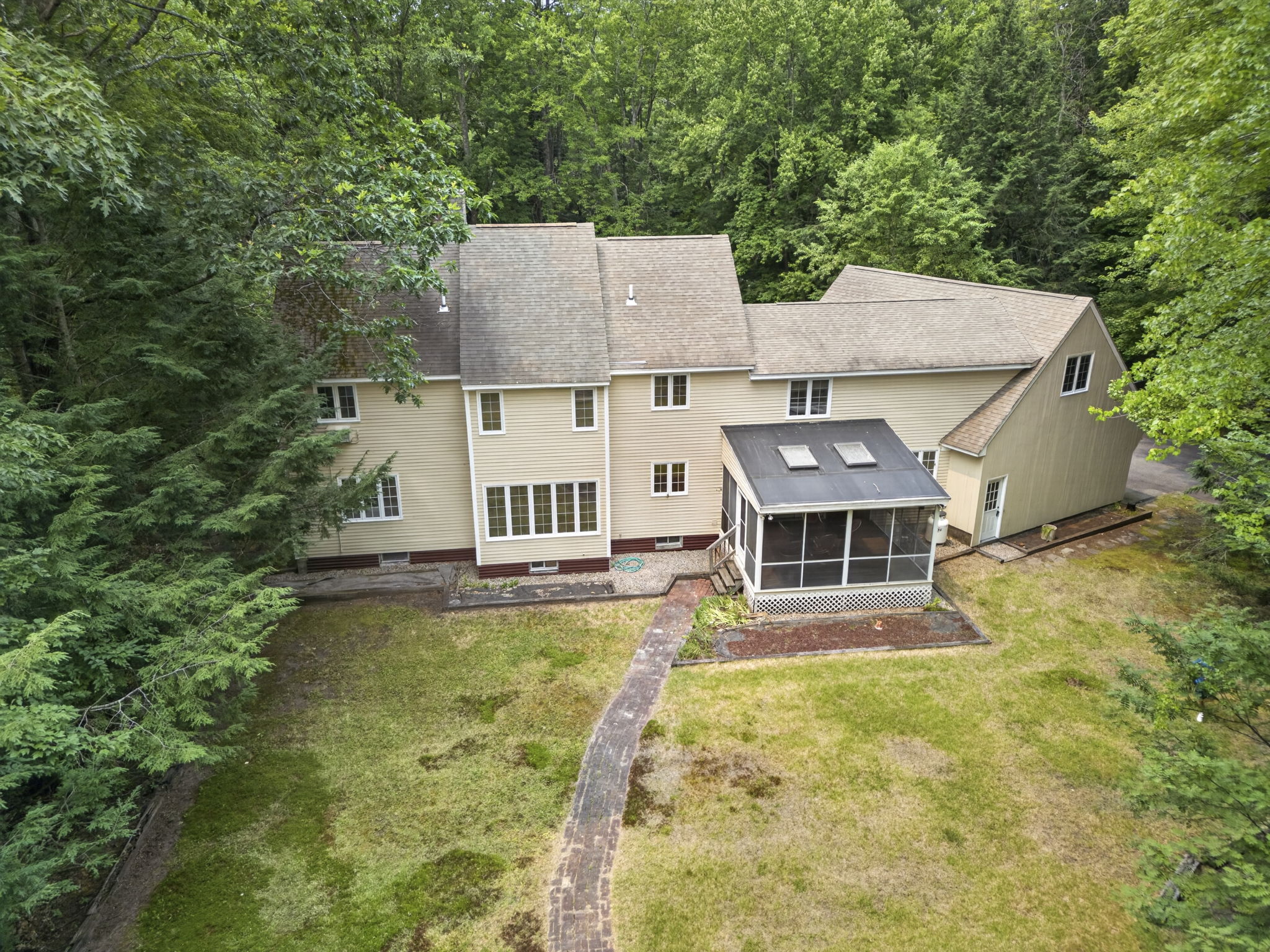
Quick answer: Yes, a rental property in New Hampshire can be a good investment in 2026 — but only when the numbers are run honestly. Strong rents (a statewide median asking rent near $3,200), no state income or sales tax, and steady demand make the Granite State attractive. The catch is high entry prices, 7%+ investment-loan rates, and some of the highest property taxes in the country. Cash flow is possible, but it takes the right town, the right price, and a long time horizon.
At The Phinney Team, we help buyers, sellers, and investors across Bedford, Manchester, Nashua, Concord, and the surrounding towns — and "should I buy a rental here?" is one of the most common questions we get. Below is the straight, data-backed version of the answer, with current 2026 figures and sources.
How much does a rental property cost in New Hampshire right now?
Entry prices are the first hurdle. The June 2026 median sale price for a single-family home in New Hampshire was $575,000, up 1.1% year over year and just under May's record $576,000, according to the New Hampshire Association of Realtors. Inventory is loosening — new listings rose about 10.9% and active inventory about 10.7% year over year in June — but at roughly 1.5 months of supply, it is still a seller-leaning market well below the 5–6 months that signals balance.
For investors, that means two things. Deals exist, but you are competing near record pricing, so the purchase price you negotiate matters more than ever. Multi-family properties often pencil out better than single-families because you spread fixed costs (roof, heating system, taxes) across two, three, or four rent checks. Our own Christina recently closed a two-family listing in Manchester — exactly the kind of small multi-family that Granite State investors target for that reason.
What rent can you charge on a New Hampshire rental?
This is where New Hampshire shines. The state posted a median asking rent of about $3,200 in the first half of 2026 — fifth-highest among all states. More conservatively, the average apartment rent is around $2,187, with two-bedroom units near $2,245 and three-bedrooms near $2,726. Southern-tier towns close to the Massachusetts line and the Boston commute command the top of that range.
Because New Hampshire has no state income tax on wages and no sales tax, tenants keep more of their paychecks and landlords keep more of their rent. That tax structure is a genuine, durable advantage for a buy-and-hold rental property NH investors plan to hold for years.
Do the numbers still work in 2026?
Here is the honest tension. Financing an investment purchase is expensive right now: the 30-year fixed averaged about 6.66% for owner-occupants as of late July 2026 per Freddie Mac, and investment-property loans typically run 0.5%–1% higher — so plan for 7.25%–7.75%. On a $500,000 duplex with 25% down, that debt service is steep, and it means many single-family purchases at today's prices produce thin or negative cash flow on paper.
The path to a rental property in New Hampshire that actually cash-flows usually runs through one of three levers: buy below market (off-market or motivated sellers), add units or value (a two-to-four unit or an accessory dwelling), or accept modest early cash flow in exchange for appreciation and loan paydown in a supply-starved market. Investors chasing day-one profit on a full-price single-family are often disappointed; those underwriting for a 5–10 year hold tend to do well.
What are the biggest risks for NH rental investors?
Property taxes are the number-one line item people underestimate. New Hampshire funds schools largely through property tax, so effective rates in many towns run $18–$25 per $1,000 of assessed value — thousands of dollars a year that come straight off your return. Older housing stock (leaky colonials, aging septic and wells) and New England winters add capital-expense risk. And because entry prices are high, your margin for error on the purchase price is small. Screen tenants carefully, budget realistically for vacancy and repairs, and never skip the inspection.
The Phinney Team takeaway
Is buying a rental in New Hampshire worth it? For patient investors who buy right, favor small multi-family, and hold for the long term, the combination of premium rents, no income or sales tax, and chronically low supply makes NH one of the stronger rental markets in the Northeast. Whether you are analyzing your first duplex or your fifth, our team can run the real numbers on a specific address before you write an offer — reach out through The Phinney Team.
Related reading
If you are still weighing your options, see our guides on whether to buy or rent in New Hampshire, why vacation-rental ownership is growing in NH, and our southern New Hampshire housing market forecast. To pick a market, start with our southern NH towns overview; to line up financing and process, see our home-buying resources; and for small multi-family specifically, explore Manchester NH real estate.
Frequently asked questions
Is a rental property in New Hampshire a good investment in 2026?
It can be, for the right buyer. Rents are among the highest in the nation and there is no state income or sales tax, but high purchase prices, 7%+ investment loan rates, and steep property taxes mean cash flow is not automatic. Buy below market or focus on multi-family, and underwrite for a multi-year hold.
What is a good cap rate for a New Hampshire rental?
In southern NH, well-located small multi-family often trades in the 5%–7% cap-rate range in 2026, with single-family rentals typically lower. Because prices are high relative to rents, many investors accept a modest cap rate in exchange for appreciation, loan paydown, and low vacancy.
Is it better to buy a single-family or multi-family rental in NH?
Multi-family (two-to-four units) usually cash-flows better because you spread taxes, roof, and heating costs across several rents. Single-family homes are easier to finance and sell but often produce thinner returns at today's prices. The right choice depends on your capital, time, and risk tolerance.
Do I pay income tax on rental income in New Hampshire?
New Hampshire has no broad state income tax on wages or on ordinary rental income, and the interest-and-dividends tax was fully repealed. You still owe federal income tax on net rental profit, and you will pay New Hampshire's local property taxes, which are among the highest in the country.