
Published July 21, 2026
New Hampshire Septic Inspection: A Home Buyer's Guide (2026)

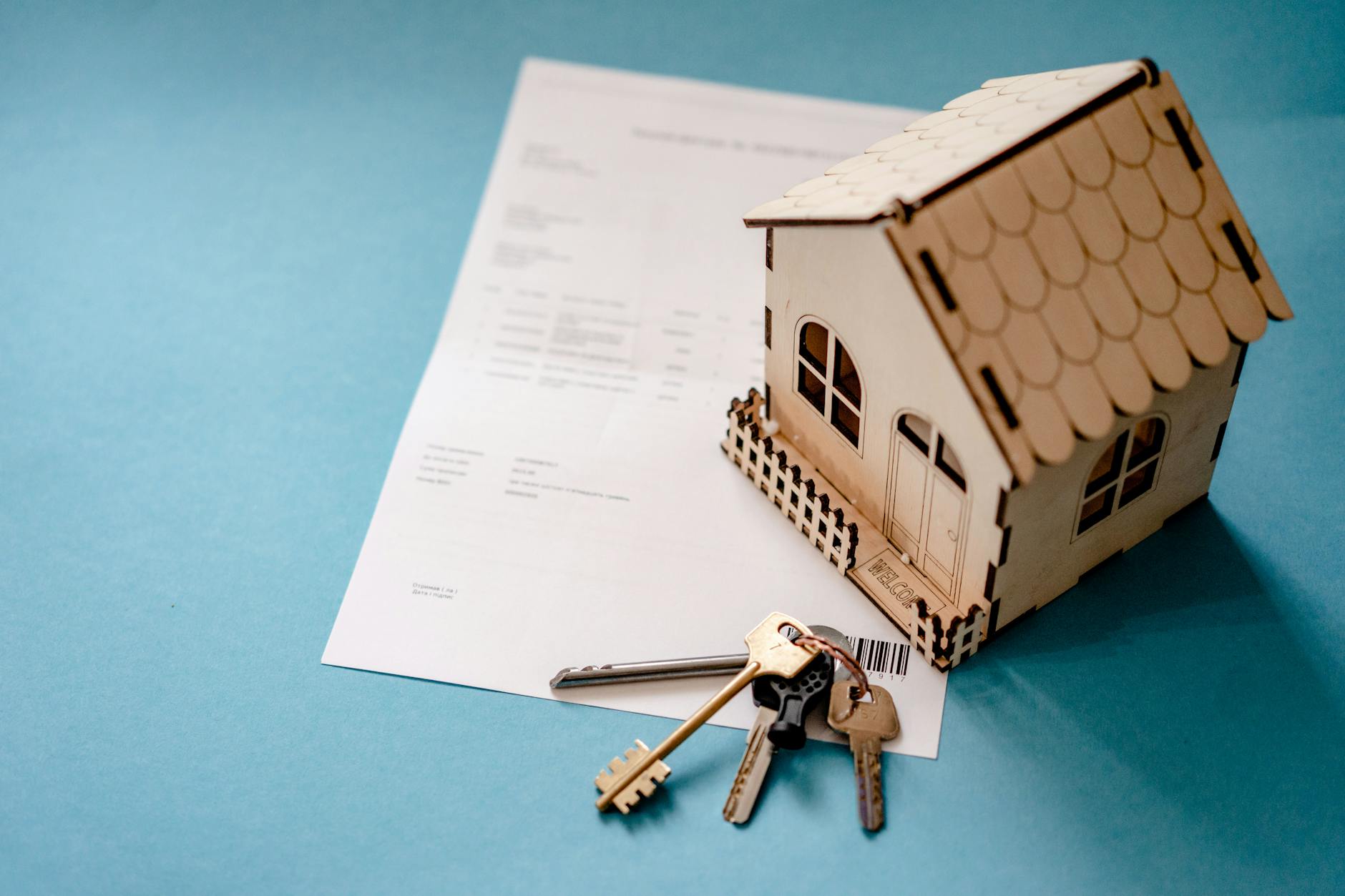
Quick answer: A New Hampshire septic inspection usually costs $400–$750 and is ordered by the buyer during the inspection contingency period. It is not required for most conventional purchases, but it is a smart move on any home with a private system — and as of September 2024 it is legally required before selling most waterfront homes. Skipping it can leave you facing a $18,000–$30,000 replacement after closing.
If you are buying a home outside the sewer lines in Bedford, Amherst, Hollis, or one of our rural southern New Hampshire towns, odds are it sits on a private septic system. Roughly half the homes The Phinney Team helps buyers close each year rely on one. A septic system is quietly one of the most expensive components of a property, so understanding how a New Hampshire septic inspection works — and when you truly need one — protects your budget before you ever get the keys.
What is a septic inspection and what does it check?
A septic evaluation is a hands-on assessment of the tank, distribution box, and leach field by a licensed evaluator. The inspector locates and uncovers the tank, measures sludge and scum levels, checks baffles and the outlet filter, runs water to confirm the system accepts flow, and inspects the leach field for surfacing effluent or soggy ground. A thorough evaluation usually includes pumping the tank so the technician can see the interior walls and confirm the tank is sound.
This is a separate service from a standard whole-house home inspection. Most general inspectors will flag obvious red flags but explicitly exclude the septic system. That is why a dedicated septic inspection is booked alongside — not instead of — your general inspection. (New to the process? Our guide to what to expect from a New Hampshire home inspection walks through the full timeline.)
Do I need a septic inspection to buy a home in NH?
For a standard conventional purchase, a passing septic test is not legally required in New Hampshire. It becomes mandatory in a few situations: USDA and New Hampshire Housing loan programs require one, and FHA or VA appraisals will trigger a test if the appraiser notes a possible problem. Even when no lender demands it, we strongly recommend a New Hampshire septic inspection on any home with a private system. A tank replacement or new leach field can run $18,000 to $30,000 in 2026 — the kind of surprise that is far cheaper to catch during your inspection contingency than after you own it.
What does a New Hampshire septic inspection cost?
Budget $400–$750 for a real estate septic evaluation, depending on system size and access. If pumping is included so the evaluator can inspect the tank interior, expect the pump-out portion to add roughly $180–$250. It is a small line item next to your down payment, and the buyer typically pays for it and orders it — which means you control the timing and choose the licensed evaluator. Compare that to a full system replacement and the inspection is one of the highest-return dollars you will spend in the transaction.
What are the new NH waterfront septic rules?
This is the biggest recent change. Effective September 1, 2024, New Hampshire requires a licensed septic system evaluation before the sale of most waterfront properties — specifically when any part of the system sits within 250 feet of the reference line of a lake or pond larger than 10 acres, coastal waters, or a fourth-order-or-higher river. A buyer may rely on a seller's existing evaluation only if it was completed within the prior 180 days and accepted in writing. Older systems approved before September 1, 1989 (or never formally approved) require an additional review by a permitted designer to confirm the system meets modern setback and water-table standards. You can read the framework directly from the NH Department of Environmental Services and the New Hampshire REALTORS summary of the law. If you are selling a lake home, plan for this early — it is now part of getting to the closing table. Our home selling services build the evaluation into the timeline so it never stalls your sale.
What happens if the septic system fails inspection?
A failed evaluation is not automatically a dealbreaker — it is a negotiation. In New Hampshire, buyer and seller are free to decide who pays for a repair or replacement. Common outcomes include the seller replacing the system before closing, a price reduction so the buyer can install a new system, or a credit at closing toward the work. We recently walked a buyer through a deal where the inspection turned up a septic tank that needed full replacement; because we caught it during the contingency window, our client renegotiated rather than inheriting a five-figure bill. That is the entire point of ordering the test. Knowing your options before you write the offer is exactly what our buyer representation is built to protect.
How do I keep a septic system healthy after buying?
Once the home is yours, maintenance is straightforward and cheap compared to replacement. Pump the tank every two to three years — annually if you have five or more people in the household — keep heavy vehicles off the leach field, avoid flushing wipes, grease, and harsh chemicals, and spread out laundry loads so the field is not overwhelmed. A well-maintained New Hampshire septic system can last 25 to 40 years, so the habits you set in year one pay off for decades.
Related reading
- New Hampshire Home Inspection: What to Expect
- Well Water Testing When Buying a Home in New Hampshire
- How Earnest Money Works in a New Hampshire Purchase
- Selling a home on septic? New Hampshire law requires you to disclose the tank size, age, last service date and contractor name before a contract is signed. See our guide to seller disclosure requirements in New Hampshire.
Frequently Asked Questions
Is a septic inspection required when buying a home in NH?
Not for most conventional purchases. It is required for USDA and New Hampshire Housing loans, for FHA/VA loans when the appraiser flags a concern, and for most waterfront sales under the 2024 shoreland law. Outside those cases it is optional but strongly recommended on any private system.
How much does a septic inspection cost in New Hampshire?
A real estate septic evaluation runs $400–$750, and pumping the tank as part of the inspection typically adds $180–$250. The buyer usually orders and pays for it during the inspection contingency period.
How long does a septic inspection take?
Most evaluations take one to two hours on site, plus a day or two for the written report. Schedule it early in your contingency window so there is time to renegotiate if the system needs work.
Who pays if the septic system fails?
New Hampshire lets the buyer and seller negotiate this. Typical results are the seller repairing or replacing the system before closing, a price reduction, or a closing credit toward the buyer's own replacement.
How often should a septic tank be pumped?
Every two to three years for a typical household, or annually if five or more people live in the home. Regular pumping is the single best way to extend the life of the system and avoid a costly failure.
Septic is one of several New Hampshire-specific findings worth budgeting for before you write an offer — see our full guide to home inspection red flags in New Hampshire for how the rest of the report ranks.
Buying a home with a private system in southern New Hampshire? The Phinney Team lines up trusted licensed evaluators and negotiates hard on the results so a septic surprise never becomes your problem after closing.