
Published July 24, 2026
West Concord NH Neighborhood Guide: What to Know Before You Move (2026)

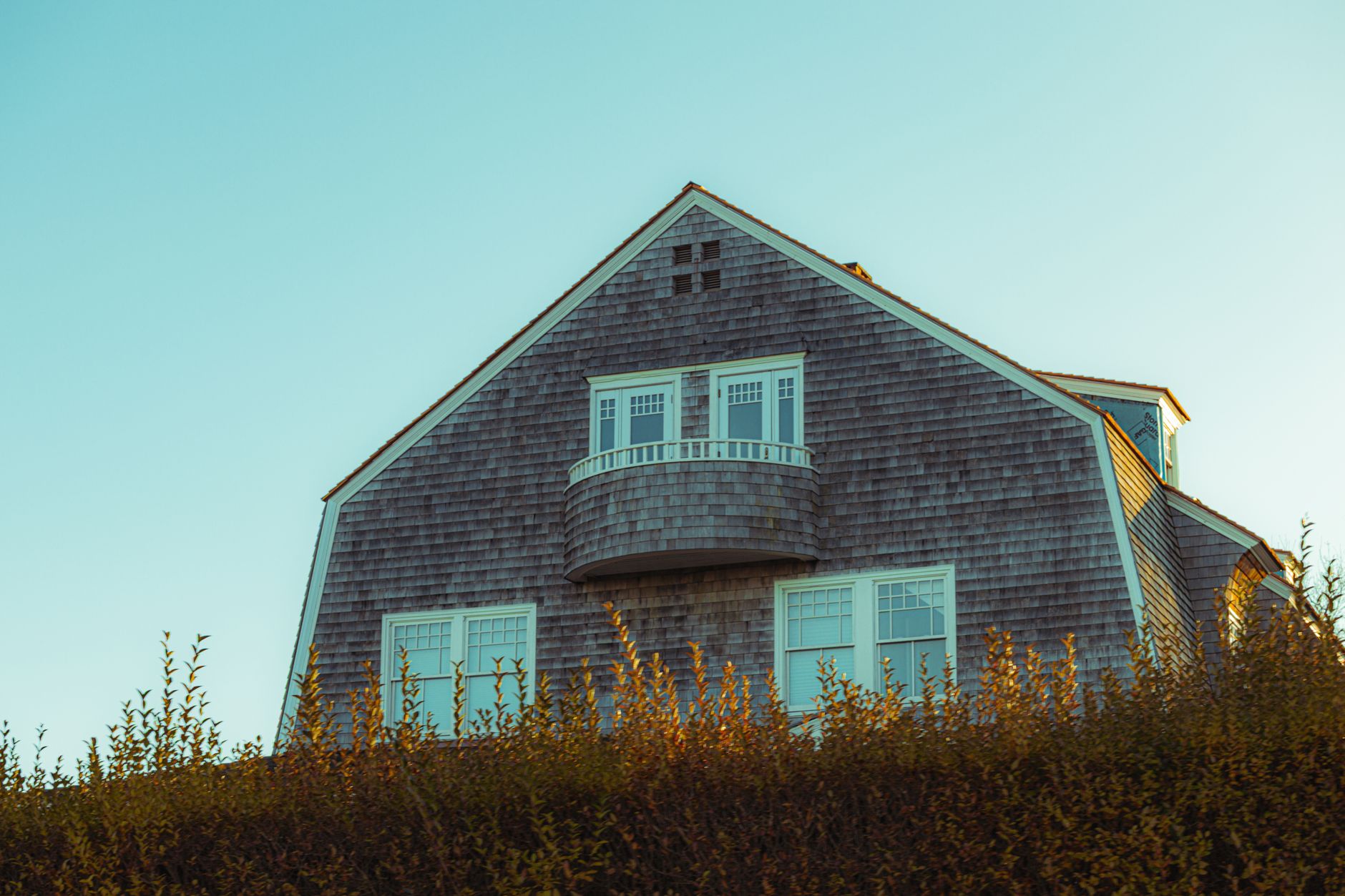
Quick answer: West Concord is the walkable residential corridor just west of downtown Concord, New Hampshire, known for pre-war single-family homes, tree-lined streets, and walking-distance access to Main Street, White Park, and the State House. In 2026 it sells at the higher end of Concord's median because the housing stock is older and architecturally distinct, making it a strong fit for buyers who want historic character close to civic Concord.
What is the West Concord NH neighborhood?
The West Concord NH neighborhood is the residential area west of downtown Concord — roughly bounded by Pleasant Street, North State Street, and Rumford Street, anchored by the campus of St. Paul's School and walking-distance access to White Park, UNH Franklin Pierce School of Law, and Main Street. In 2026 it remains one of Concord's quieter, more walkable sub-areas, with a high share of pre-war single-family homes, a calmer days-on-market pace than the citywide median, and tighter inventory than Concord Heights or Penacook. It is a good fit for buyers who want New England character, a short walk to civic Concord, and an easy commute to Manchester or the I-93 corridor.
Where exactly is "West Concord"?
Concord is built around its Main Street spine, but a lot of the residential life happens just west of it. When local agents and longtime residents say "West Concord," they generally mean the wedge of neighborhoods west of North State Street, south of the St. Paul's School campus, and north of the Hopkinton Road / I-89 split. Streets like Rumford, Pleasant, Auburn, Centre, Warren, and South Street form the core. To the north it brushes the Beaver Meadow / North End area; to the south it tucks into the South Street / Warren Street historic blocks.
If you want a sub-area within Concord that lets you walk to the State House, the federal courthouse, UNH Franklin Pierce School of Law, and White Park — but still wake up on a tree-lined residential street — that is the West Concord pocket.
What does the 2026 market look like in Concord?
The citywide picture is the right starting point. According to New Hampshire REALTORS market data and consolidated NHAR / MLS figures through mid-2026, the Concord single-family median sale price has been running in the $410,000 – $425,000 range, up roughly 4–5% year over year — well below the statewide single-family median of about $575,000. The citywide median days on market is sitting around 16 days for single-family homes, faster than the New Hampshire statewide average.
Within Concord, the West Concord sub-area generally sells at the higher end of that median because the housing stock skews older, larger, and architecturally distinct. Three patterns we're seeing this year:
- Renovated antiques move fastest. Updated Colonials, Victorians, and well-kept 1920s–1940s Capes on Rumford, South, and Auburn are still receiving multiple offers inside the first weekend.
- Original-condition antiques sit longer. Buyers in the $475K+ band are pricing in their renovation budget. If the kitchen, baths, or systems are dated, expect 30–45 days of market time and a 2–4% price haircut.
- Two-family and small multi-family inventory is thin. The pocket has a fair amount of legal two-families woven into the residential blocks. They are getting bid up by owner-occupants who want a Concord address with rental offset.
What makes the West Concord NH neighborhood different?
1. Walkability that most Concord neighborhoods don't have
From most addresses in the West Concord pocket, you can walk to White Park (with its skating pond in winter and pickleball courts in the warmer months), to the State Library, to Main Street restaurants, and to the UNH Franklin Pierce School of Law campus. The street grid is older and more pedestrian than the Heights or East Concord, and sidewalks are the default rather than the exception.
2. Strong school zoning, with one important caveat
Most of West Concord feeds into Beaver Meadow Elementary School for the northern blocks, with the historic Rumford School site replaced by the newer Abbot-Downing School after the district's elementary consolidation. Middle and high school are Rundlett and Concord High respectively. The important caveat: school assignment lines have shifted in Concord twice in the last decade. Buyers prioritizing a specific school should verify the current attendance zone for the specific address with the Concord School District before going under contract — not after.
3. Architectural character you cannot replicate in a new subdivision
This is where West Concord earns its premium. The corridor is dense with Colonial Revivals, Queen Anne Victorians, Foursquares, 1920s Bungalows, and 1940s Capes — often on village-sized lots with original woodwork, hardwood floors, and the kind of front porches that have largely disappeared from new construction. If you want move-in-ready new build, this is not your pocket. If you want a house that has stories in the molding, it is.
4. A real commute story
From West Concord you are typically 5–8 minutes to the I-93 / I-89 interchange. That puts Manchester at roughly 25 minutes door-to-door, downtown Nashua around 50, and the Massachusetts state line about an hour. For state-government workers, hospital staff at Concord Hospital, and law-firm employees, walking distance is the entire pitch.
What should buyers watch for in 2026?
Three honest cautions before you make an offer in this pocket:
- Older systems. A lot of the housing stock pre-dates 1950. Heating systems are frequently oil with newer mini-split additions; electrical may be 100-amp; basements can be field-stone with damp corners in mud season. Budget for a thorough inspection and read the narrative sections of the report, not just the summary.
- Lot setbacks and zoning quirks. Some of the historic blocks have non-conforming setbacks, meaning an addition or detached ADU may need a zoning variance. If your five-year plan includes building out, ask the listing agent for the zoning district and any prior special-exception history before you commit.
- Insurance and roof age. NH carriers have tightened underwriting on roofs older than 20 years and on knob-and-tube wiring. Have your agent loop in your insurance carrier before the inspection contingency expires, not at the closing table.
What should sellers know?
If you own in West Concord and you're thinking about a 2026 sale, the playbook is shifting compared to 2022–2023. Pricing strategy now matters more than it has in five years. Homes priced 3–5% above honest market value are sitting; homes priced at market are selling in the first week with multiple offers. Pre-listing prep — paint, decluttering, lighting, and yes, fresh hydrangeas at the entry — is generating measurable returns in this corridor because the buyer pool is more discerning than it was during the peak.
Frequently Asked Questions
Is the West Concord NH neighborhood safe?
West Concord is generally considered one of Concord's quieter and safer residential sub-areas, with a strong owner-occupied share. As with any urban-adjacent neighborhood, individual block conditions vary; we recommend walking the specific street at three different times of day before you make an offer.
How much does a typical house cost in West Concord?
In mid-2026, single-family homes in the West Concord pocket are generally trading in the $400,000 – $625,000 range, with renovated Colonials and Victorians on larger lots reaching $650,000 – $800,000+. Smaller Capes and Bungalows can still be found under $400,000 when they need work.
What schools serve West Concord?
Most of the corridor feeds into Beaver Meadow Elementary School or the consolidated Abbot-Downing School, then Rundlett Middle and Concord High. School boundaries have shifted recently; always verify the current attendance zone for the specific address with the Concord School District before closing.
Is West Concord a walkable neighborhood?
Yes — it is one of the few Concord sub-areas where walkability is a daily reality rather than a marketing claim. Most addresses are within 10–15 minutes on foot of Main Street, White Park, the State Library, UNH Franklin Pierce School of Law, and the federal courthouse.
How does West Concord compare to Penacook or Concord Heights?
Penacook (the historic North End village we covered in our Penacook neighborhood guide) has more compact village character and slightly lower price points. Concord Heights skews newer, more car-dependent, and offers more single-level ranches. West Concord sits in between — older housing stock, higher walkability, mid-to-upper price range.
How long does a home in this area take to sell in 2026?
The citywide Concord median is around 16 days on market for single-family homes as of mid-2026. Renovated West Concord homes are running faster than that — often under contract inside the first weekend. Original-condition homes priced in the $475K+ band are taking 30–45 days.
Related reading
Exploring the wider city? See our Concord NH relocation guide for the full picture on cost of living, schools, and commutes, and our Penacook neighborhood guide for a look at Concord's historic North End village.
Thinking about buying or selling in West Concord?
Concord rewards local knowledge. The difference between paying $50,000 too much and getting the right price often comes down to who actually walked the block, knows the zoning history, and has watched the comp pattern for the last twelve months. If you are weighing a move into or out of West Concord, the team at The Phinney Team covers Concord, Bedford, Manchester, Nashua, and the surrounding southern New Hampshire markets. Browse current Concord NH real estate listings, see how we approach selling your home, or reach us at info@teamphinney.com to start a conversation.