
Published August 4, 2026
Buying a Historic Home in New Hampshire: Pros and Cons (2026)

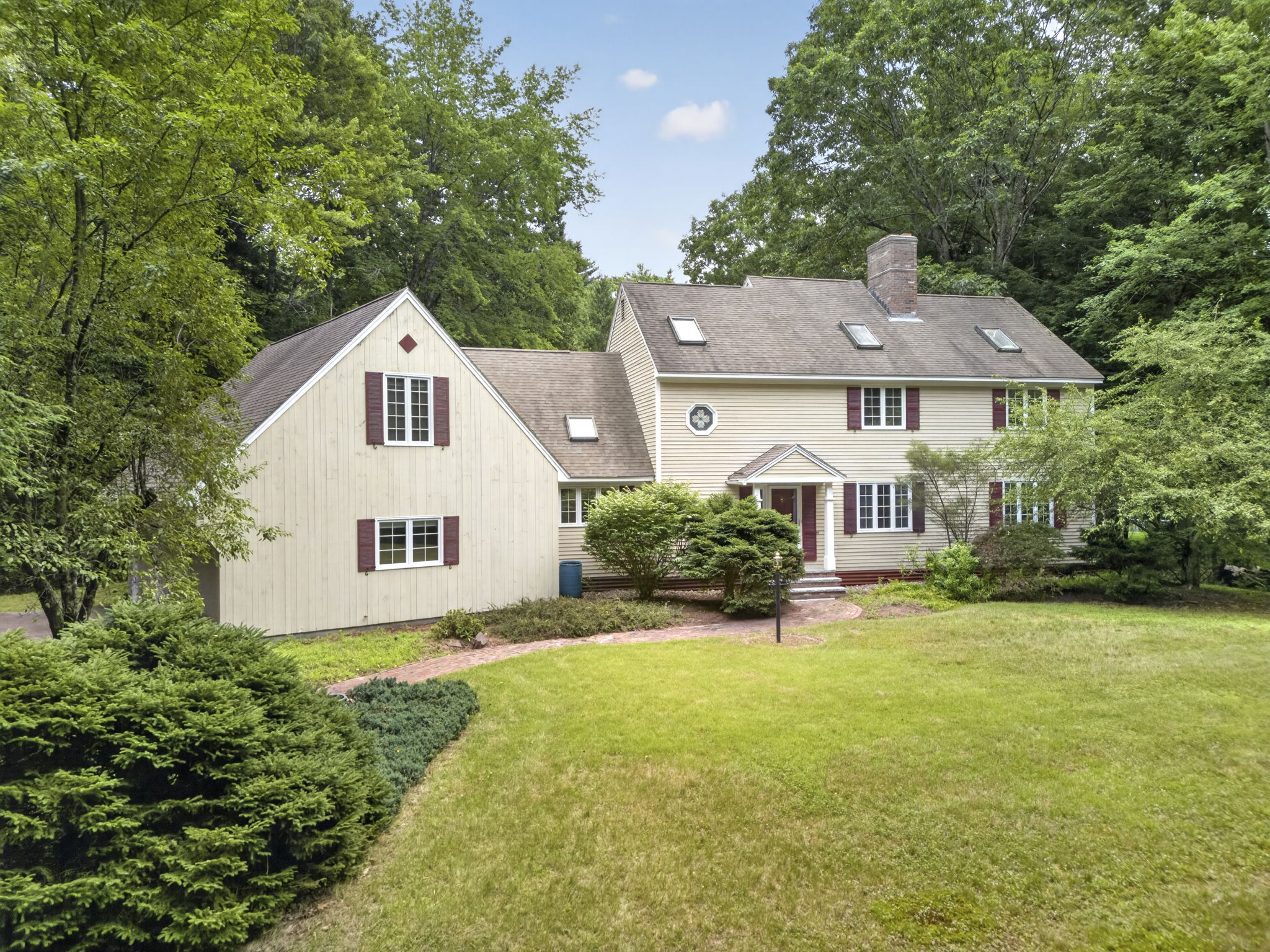
Quick answer: Buying a historic home in New Hampshire can be a smart move if you love craftsmanship, walkable town centers, and character you cannot build new — but only after a specialized inspection. Older homes carry hidden costs like knob-and-tube wiring, lead paint, aging heat, and higher insurance, so budget for updates and lean on tax-relief programs where they apply.
New Hampshire is one of the oldest states in the country by housing stock, so if you are shopping here, you are almost certainly going to tour a few antique colonials, farmhouses, and Victorians. The question is not whether you will find character — it is whether the charm is worth the trade-offs. Here is the honest breakdown our team walks buyers through before they fall in love with a center-chimney colonial in Amherst or a brick Federal in Portsmouth.
How old are New Hampshire's homes, really?
Older than most of the country. The median New Hampshire home was built around 1979, making the typical house roughly 47 years old, and about 55% of the state's housing was built before 1980. Nearly a quarter of NH homes — around 23% — date to 1939 or earlier, according to NAHB's Eye On Housing analysis of Census data. Hillsborough County (Manchester, Nashua, Bedford, Amherst) skews older, with a median build year around 1977, while Rockingham County trends slightly newer at 1981.
Translation: a genuinely historic home is not a rare unicorn here. It is a big slice of everyday inventory, which means buyers who understand old houses have real leverage and real options.
What are the pros of buying a historic home in New Hampshire?
The upside is exactly why these homes hold their appeal decade after decade:
- Craftsmanship you cannot replicate. Wide-plank pine floors, hand-hewn beams, plaster walls, and true divided-light windows were built by hand from old-growth lumber. New construction rarely matches it at any price.
- Prime locations. Antique homes sit in the walkable historic cores of towns like Bedford, Amherst, Exeter, and Portsmouth — close to greens, shops, and schools, on lots that were platted before sprawl.
- Larger, mature lots. Many pre-1940 properties come with acreage, stone walls, and specimen trees that would cost a fortune to recreate.
- Character that sells. When it is time to resell, a well-maintained period home stands out in a sea of builder-grade listings — a differentiator buyers pay a premium for.
- Possible tax relief. Certain rehab projects qualify for property-tax incentives (more on RSA 79-E below).
What are the cons and hidden costs of an old NH house?
This is where an experienced local agent earns their keep. Buying an older home in NH means underwriting the systems, not just the curb appeal:
- Knob-and-tube and outdated wiring. Pre-1950 homes often still have knob-and-tube wiring, which lacks a ground wire and raises fire risk. Many insurers will surcharge it or decline coverage outright, and rewiring a full house can run tens of thousands of dollars.
- Lead paint. Federal law requires sellers to disclose known lead-based paint in homes built before 1978. Remediation, especially with young kids in the picture, is a real line item.
- Heating and efficiency. Old oil boilers, single-pane windows, and thin insulation drive up energy bills. Watch for buried oil tanks — a costly environmental surprise.
- Foundations, sills, and roofs. Fieldstone foundations, rotted sills, and old chimneys need a trained eye. Rural antique homes also frequently rely on private septic and well systems.
- Insurance and financing friction. Between wiring, roof age, and replacement-cost quirks, insuring an antique home takes more shopping than a 2010 build.
Can you get a mortgage and insurance on an old house?
Yes — most historic homes finance with a standard conventional loan, and if a home needs work, renovation loans (like FHA 203k) roll the repairs into the mortgage. As of early August 2026, the average 30-year fixed rate in New Hampshire is about 6.75%, according to Zillow. The bigger hurdle is usually insurance: line up a homeowners quote during your inspection period, not after, and get the electrical and roof documented so underwriters do not balk. Our New Hampshire home buyer resources walk through sequencing all of this.
Are there historic tax breaks in New Hampshire?
There can be. New Hampshire's RSA 79-E Community Revitalization Tax Relief Incentive lets municipalities freeze the property-tax increase tied to a qualifying rehabilitation for a set period — a strong incentive for restoring older buildings in downtown districts. For designated historic structures, the qualifying investment threshold is lower. The New Hampshire Preservation Alliance maintains a plain-English guide, and adoption varies town by town, so confirm with the local assessing office before you count on it.
How to buy a historic home the smart way
The buyers who win with old houses are the prepared ones. When you are buying a historic home in New Hampshire, we recommend a home inspector who specializes in antique construction, plus targeted contractor quotes on wiring, heating, and any structural questions during your inspection contingency. Price your offer around the true post-purchase cost, not just the list price — and keep an inspection contingency that gives you room to renegotiate or walk. We have toured plenty of gorgeous Bedford and Amherst colonials where the bones were perfect and just as many where a five-figure surprise was hiding behind the plaster. Knowing which is which is the whole game. Explore character-home neighborhoods on our Bedford real estate page, and reach the full team anytime at teamphinney.com.
Related reading
- NH Septic Inspection: A Buyer's Guide — essential for rural antique homes.
- Is a Home Warranty Worth It in New Hampshire? — coverage for aging systems.
- Is Bedford, NH a Good Place to Live? — a town rich in historic character.
Frequently asked questions
Is buying an older home in NH a good investment?
It can be, when the price reflects needed updates. Well-located period homes in towns like Bedford, Amherst, and Portsmouth hold value and stand out at resale. The key is buying with eyes open on systems and repairs, so your all-in cost still pencils out against comparable newer homes.
What is the biggest risk with a historic home in New Hampshire?
Usually the systems you cannot see: knob-and-tube wiring, aging oil heat, buried oil tanks, and worn sills or foundations. Any one can surprise you with a five-figure bill, which is why a specialized inspection and contractor quotes during your contingency period are non-negotiable.
Can I insure a house with knob-and-tube wiring?
Sometimes, but expect friction. Many carriers surcharge or decline knob-and-tube because it lacks grounding and raises fire risk. Get a homeowners quote during your inspection window; often the cleanest path is budgeting to rewire and using that plan to secure standard coverage.
Do historic homes cost more to maintain?
Generally yes. Older materials, custom repairs, and specialty trades cost more than swapping standard parts in a newer home. Budget an annual maintenance reserve and prioritize the big four: roof, heat, electrical, and structure. Preventive upkeep is far cheaper than emergency fixes.
Does New Hampshire offer tax breaks for restoring old homes?
In participating towns, yes. RSA 79-E can freeze the tax increase tied to a qualifying rehab for a period of years, with a lower investment threshold for historic structures. Adoption is local, so verify eligibility with the municipality and the NH Preservation Alliance before relying on it.