
Published October 19, 2026
Buying a House in Winter in NH: Inspections and Deals (2026)

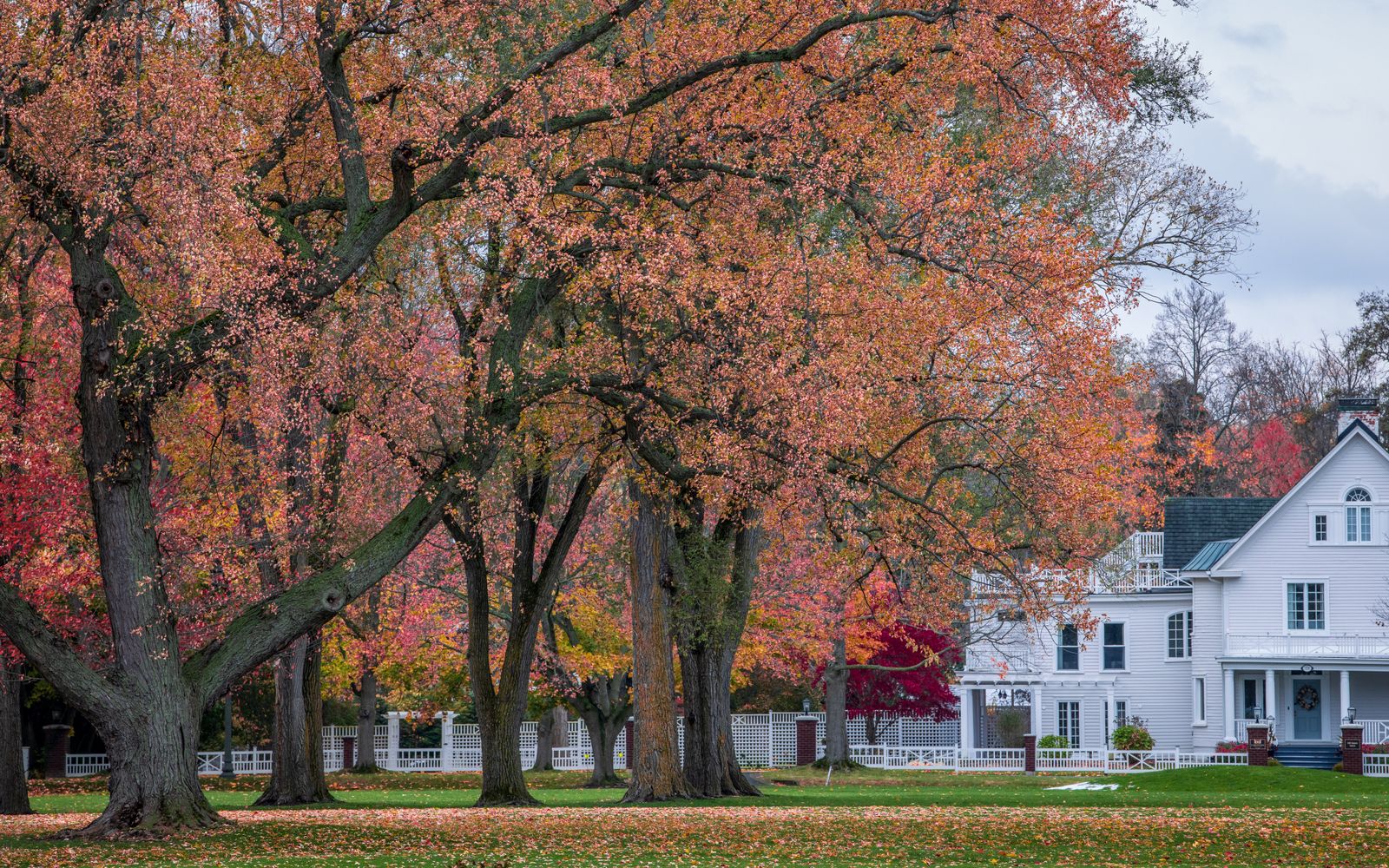
Buying a House in Winter in NH: Inspections and Deals (2026)
Quick answer: Buying a house in winter in New Hampshire works well if you adjust your inspection plan. Expect less competition, but ask for snow-limited items to be re-checked or covered by an escrow holdback, test the heating system under load, and get the seller's fuel and utility bills. Winter also shows you how a house really handles cold.
If you are thinking about buying a house in winter in New Hampshire, the calendar works in your favor more often than people expect. Fewer buyers shop between November and February, and the sellers who list in those months usually have a real reason to move. The catch is mechanical: snow, frozen ground and short days change what an inspector can see. This guide to buying a house in winter in New Hampshire covers what to do differently so a quiet-season deal stays a good deal.
Is winter a good time for buying a house in New Hampshire?
For many buyers, yes. The New Hampshire Association of Realtors (NHAR) reported statewide inventory of 3,164 single-family homes in September 2026, up 19.3 percent from a year earlier, with 2.9 months of supply and a median sale price of $569,900. More choices and a slower pace give you room to negotiate on terms, not just price, even though local pockets such as Manchester, Nashua and Merrimack stay tight.
The tradeoff is selection. Listings thin out after the holidays, and the homes that are available in January are often there because the owner needs to sell. If you want the full seasonal picture, read our guide to the best time to buy a house in NH; this page focuses on the winter mechanics.
How do you inspect a house in winter?
You can inspect almost everything in winter, but a few items need a plan. Ask your inspector to walk through this list before the inspection date, not on the day.
- Roof. An inspector may not be able to climb a snowy roof. Ask for attic inspection from below (stains, daylight, damp insulation), a look at ceilings for water marks, and photos from the ground or a drone where it is safe. A sagging roof line is a red flag.
- Grading and drainage. Snow hides how water moves around the foundation. Ask the seller about basement moisture history and look for efflorescence, stains and sump pump activity inside.
- Septic. Frozen ground and snow limit access to the tank and field. Septic inspections can still happen in winter with the right equipment, but ask whether a full inspection is possible or whether you should add a spring re-check. Our NH septic inspection guide explains what the report should cover.
- Heating system. This is where winter helps you. Run the system for the whole visit and note how evenly the rooms heat, how loud it is, and how old it is.
- Windows, insulation and pipes. Cold weather exposes drafts, ice dams, heavy condensation and pipes at risk of freezing. Use what you find to ask for repairs.
For the rest of the checklist, see our home inspection red flags guide.
What is an escrow holdback and when does it help?
An escrow holdback is money set aside at closing to pay for work or a re-check that could not be done because of weather. It lets the sale close on schedule while protecting you. Typical winter uses are exterior repairs, a septic or roof re-check once the snow melts, or grading fixes. Whether a holdback is allowed depends on the purchase and sale agreement and your lender, so raise it with your agent and lender before you write the offer, not after the inspection.
What should you ask about heating costs and fuel?
Heating is the biggest winter line item in many New Hampshire homes, and it varies a lot by fuel type. Ask for these before you commit:
- The seller's last 12 months of oil, propane, gas, wood or electric bills.
- The age and service records of the boiler, furnace or heat pump.
- For an oil tank, where it sits, how old it is and how much oil is in it. Fuel left in the tank is usually prorated at closing; our guide on selling a home with an oil tank in NH shows how that works from the seller's side.
- Whether the home has a wood stove, and if so, a chimney inspection.
Fuel prices change weekly, so use the seller's actual bills as your budget baseline rather than a statewide average.
How do you make a winter offer stand out?
With fewer rivals you can negotiate on more than price. Ask for a short list of repairs from the inspection, a flexible closing date, and a seller credit toward heating or closing costs. Rates matter just as much: Freddie Mac reported the 30-year fixed rate at 7.40 percent on October 15, 2026, up from 6.27 percent a year earlier, so every point you negotiate in price or credits counts. Get pre-approved first and ask your lender about financing options before you shop. When you are ready, our buyer consultation builds a winter search around your budget and the towns where homes are actually selling.
Related reading
If you are comparing timing, see whether now is a good time to buy a house in NH, and plan your costs with our NH closing costs buyer guide.
Buying a house in winter in NH: FAQ
Is it cheaper to buy a house in the winter in New Hampshire?
Often, but not always. Winter brings fewer buyers and motivated sellers, which helps you negotiate. Prices still depend on the town and the home. Statewide, NHAR reported a $569,900 median in September 2026, so expect to win on terms and credits more than on a big discount.
Can you get a home inspection when there is snow on the ground?
Yes. Interior systems, the heating plant, attic and basement can all be inspected normally. Roof, grading and septic items may be limited by snow or frozen ground, so ask for a re-check in spring or an escrow holdback covering those items.
Can a septic system be inspected in winter?
It can, with the right equipment, but frozen ground and snow can limit access to the tank and field. Ask the inspector whether a full inspection is possible and whether a spring follow-up makes sense before your inspection contingency ends.
How do I find out what heating a house really costs?
Ask for the seller's last 12 months of fuel or utility bills, plus service records for the boiler, furnace or heat pump. Actual bills beat any statewide average because house size, insulation and fuel type vary widely.
Is it harder to find a house to buy in winter?
Selection is thinner after the holidays, but buying a house in winter in New Hampshire also means less competition. Work with your agent to set up instant alerts for new listings so you can see homes the day they hit the market.
Sources: New Hampshire Association of Realtors Monthly Indicators (September 2026); Freddie Mac Primary Mortgage Market Survey (October 15, 2026); winter inspection guidance from licensed home inspectors. The Phinney Team at Keller Williams is a Bedford, NH real estate team serving southern New Hampshire.