
Published July 25, 2026
Does Professional Real Estate Photography Matter When Selling a Home in NH?

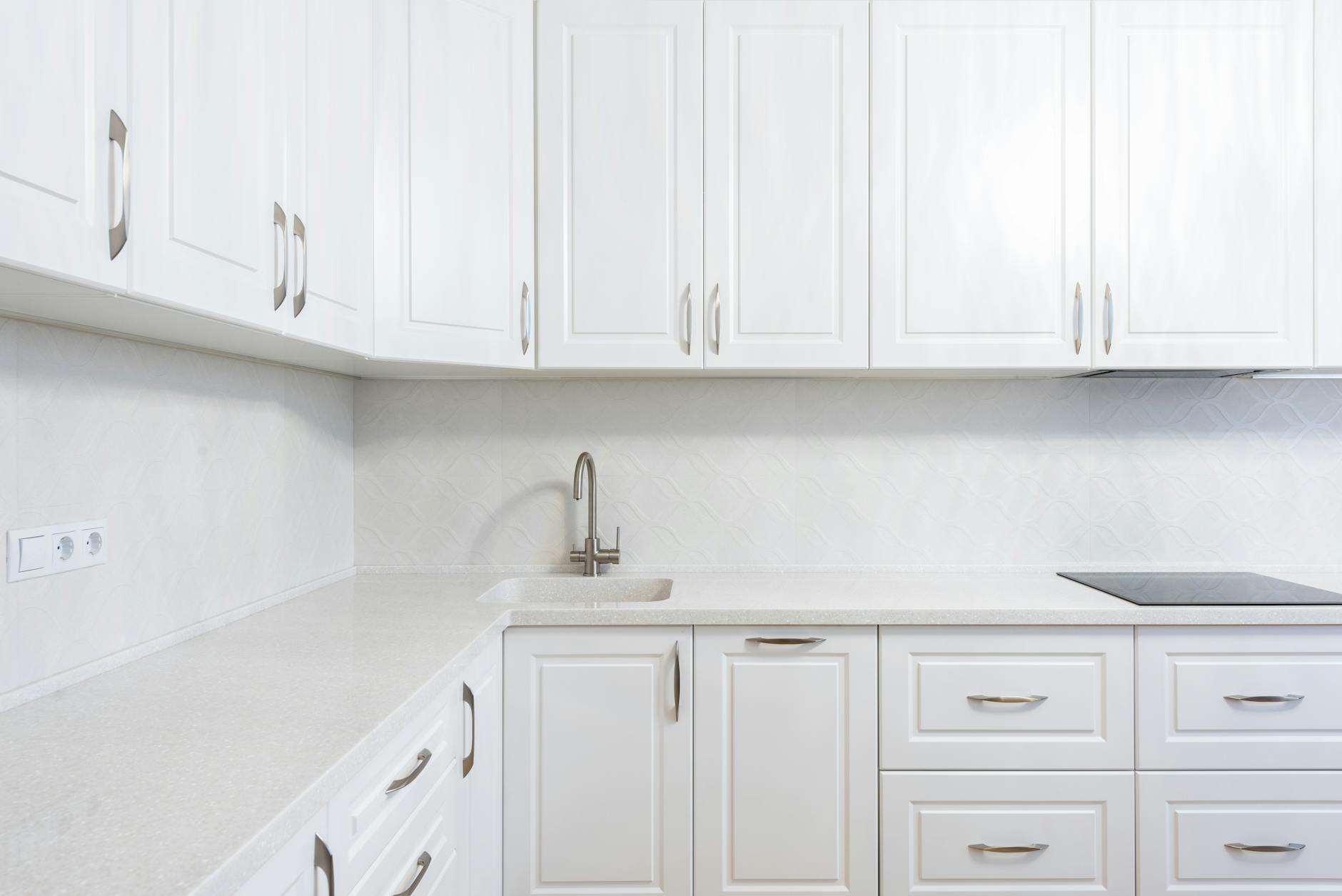
Quick answer: Yes. Professional real estate photography measurably helps homes sell faster and for more money. Industry data shows listings with pro photos sell up to 32% faster and can close for hundreds to tens of thousands of dollars more than comparable homes shot with amateur photos. In a competitive New Hampshire market, photos are your first showing.
Nearly every buyer starts their home search online, scrolling listing photos on their phone before they ever call an agent. That means the photographs are not marketing decoration — they are the moment a buyer decides to book a showing or keep scrolling. With the statewide median single-family price at $575,000 in June 2026 and closed sales hitting their highest monthly total in four years, according to the New Hampshire Association of Realtors, sellers are competing for attention against sharp, well-presented listings. Professional real estate photography is how you win that first click.
Does professional photography actually help a home sell?
The numbers are consistent across the industry. Listings that use professional real estate photography sell roughly 32% faster — about 89 days on market versus 123 for homes shot with amateur images. Photos taken with high dynamic range (HDR) technique sell up to 50% faster and generate 118% more online views. Homes with high-quality images receive as much as 61% more views than those with weak photos, and listings that add video draw dramatically more inquiries.
Price follows attention. Studies have found that professionally photographed homes close for anywhere from about $934 to over $100,000 more than similar listings with low-quality photos, and homes with high-quality images have commanded roughly 47% higher asking prices per square foot. More eyes on a listing means more showings, more competition, and stronger offers — a chain reaction that starts with the very first photo.
How photos affect price and days on market in a fast NH market
New Hampshire is still a tight, quick-moving market. Well-priced homes are moving in roughly 53 days on average in 2026, and inventory remains limited relative to buyer demand. When a home comes on the market, the strongest activity happens in the first week — and that window is driven almost entirely by online photos. A listing that looks bright, spacious, and cared for pulls buyers off the fence; a listing with dim, crooked phone snapshots quietly gets skipped, even when the home itself is excellent.
On the listings we bring to market this summer, professional photography is non-negotiable. It is one of the highest-return dollars a seller can spend, because it directly influences both how many buyers show up and how they perceive value before they walk in the door.
What professional listing photography includes in 2026
Good listing photography today is more than a camera and a wide lens. In 2026, Zillow's Consumer Housing Trends research shows buyers increasingly expect immersive content before they will commit to an in-person visit. A strong photo package now typically includes:
- HDR interior and exterior stills — balanced light so rooms look bright and true to life, not blown out or shadowy.
- Wide, straight compositions — level lines and thoughtful angles that show how rooms actually flow.
- Twilight or dusk exterior shots for premium and lakefront listings, which consistently stop the scroll.
- Video walkthroughs and 3D tours — once a luxury add-on, now a standard buyer expectation, especially for out-of-state and relocating buyers.
- Drone and aerial photography for larger lots, acreage, and properties where the setting is the selling point.
Pairing professional photos with a well-staged, decluttered home multiplies the effect. Photos capture the work staging does — which is exactly why the two go together.
How this plays out across southern New Hampshire
In towns like Bedford, Nashua, Manchester, and Amherst, many buyers are relocating from Massachusetts or beyond and doing most of their early shopping online. For those buyers, your listing photos are the entire first impression — there is no drive-by. A polished photo set widens your buyer pool to people who may never have found the home otherwise, and it signals that the property has been marketed with care. That perception carries straight into offer conversations.
When you're preparing to list, treat photography as part of your pricing and marketing strategy, not an afterthought. If you'd like to see how The Phinney Team markets homes across southern NH, start on our home selling page or request a home value estimate to begin planning your sale. You can also learn more about our team and approach.
Related reading
If you're getting ready to sell, these guides pair well with this one: our step-by-step home staging guide (staging is what your photos capture), how to price your New Hampshire home, and the essential questions to ask a listing agent before you hire one.
Great photography and video are only the start: many buyers now shortlist and even make offers after virtual home tours in New Hampshire, so strong visual marketing matters more than ever.
Frequently asked questions
Do professional photos really make a home sell faster?
Yes. Across multiple industry studies, homes marketed with professional real estate photography sell roughly 32% faster than those with amateur photos — about 89 days on market versus 123. Better photos generate more online views and showings early in the listing, which is when the strongest offers tend to come in.
How much does professional listing photography cost in New Hampshire?
For most southern NH homes, a professional photo package runs a few hundred dollars, with video, twilight, and drone add-ons increasing the total. Compared with a potential sale-price difference measured in thousands, it is one of the highest-return investments a seller can make when preparing to list.
Are phone photos ever good enough for a listing?
Phone cameras have improved, but they rarely match a professional's lighting, lenses, and editing, and they often produce dim or distorted rooms. Because listing photos are the first thing nearly every buyer sees, amateur images can quietly cost you views, showings, and negotiating leverage in a competitive market.
Should sellers pay for video or a 3D tour too?
Increasingly, yes. Zillow's research shows buyers now expect video walkthroughs and 3D tours as standard, not luxury extras — particularly relocating and out-of-state buyers who shop before visiting. Listings with video attract far more inquiries, so it is worth discussing with your agent as part of the marketing plan.
Does professional real estate photography matter for lower-priced homes?
Absolutely. Strong photography helps every price point, because the goal is the same: get more qualified buyers to notice the home and book a showing. On more affordable listings, standing out in a crowded search results page can be the difference between multiple offers and a home that lingers.