
Published September 18, 2026
How to Sell an Inherited House in New Hampshire (2026)

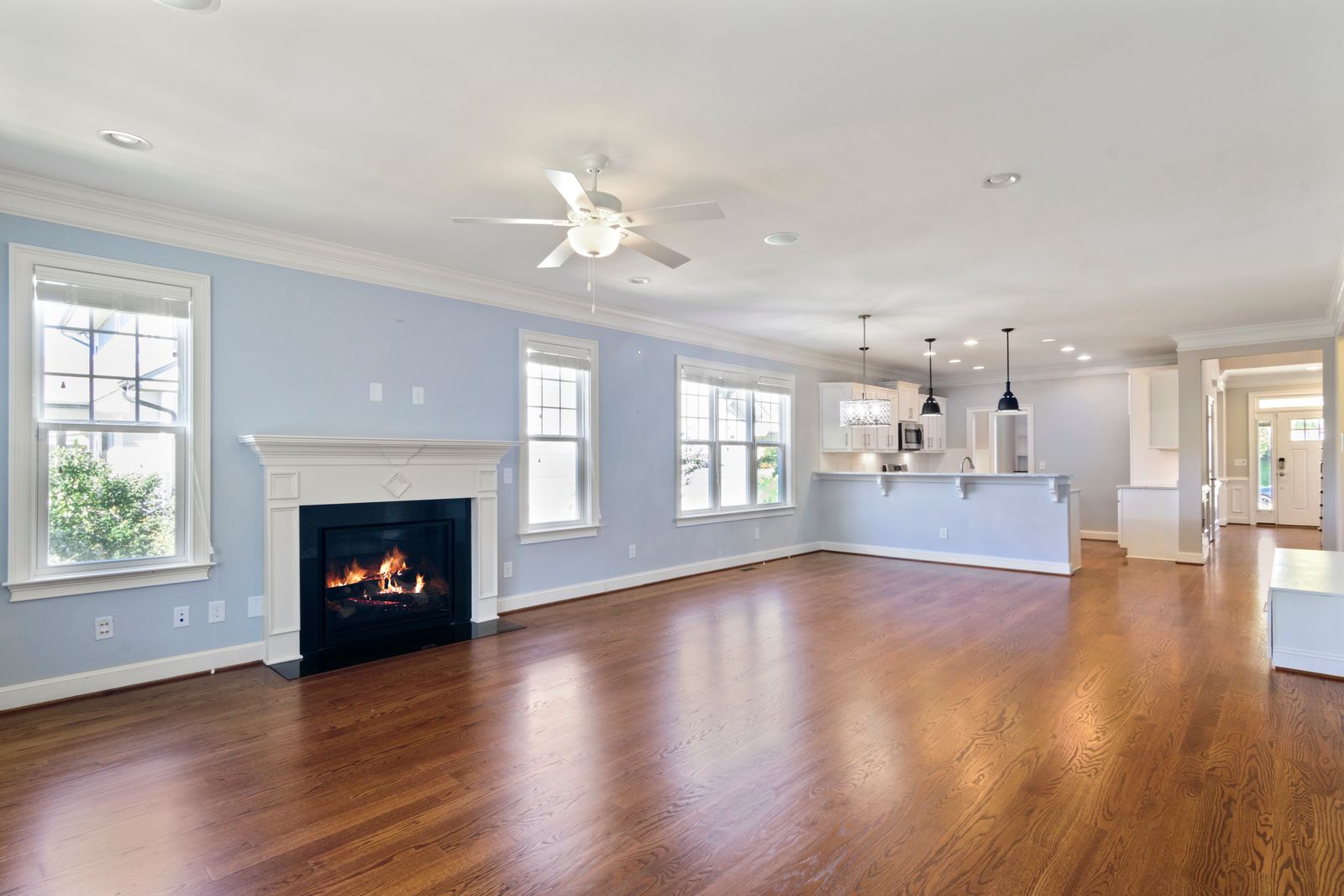
Quick answer: To sell an inherited house in New Hampshire, you first need legal authority to sign the deed, which usually means opening the estate in the Circuit Court Probate Division or, if the home was in a trust, acting as trustee. Once you have that authority (and the written consent of the other heirs, or a court license), you clear the house, decide between an as-is sale and light prep, and list. New Hampshire has no inheritance or estate tax, and the federal step-up in basis usually wipes out most of the capital gain. Most estate sales close four to eight months after the death.
When The Phinney Team works with a family selling a parent's or relative's home between Manchester, Nashua and Concord, the questions are always the same: who is allowed to sign, how long will this take, and will the taxes eat the proceeds. This guide walks through how to sell an inherited house in New Hampshire in order: authority, timeline, taxes, preparing the property, and pricing it in the current market. It is general information, not legal or tax advice; a New Hampshire probate attorney and a CPA should confirm the specifics for your estate.
Who has the legal right to sell an inherited house in New Hampshire?
The person who can sign the deed depends on how the home was owned when the owner died.
- Owned in a revocable trust: no probate is needed. The successor trustee can sell as soon as they have a certificate of trust and a death certificate. This is the fastest path.
- Joint ownership with right of survivorship: the surviving joint owner already owns the home outright. Record the death certificate (and usually an affidavit) at the county Registry of Deeds and sell normally.
- Owned solely by the deceased, with or without a will: the estate must be opened in the Circuit Court Probate Division and an executor or administrator appointed. Only that person can sign a deed on behalf of the estate.
Once appointed, the executor or administrator can sell the real estate two ways. Under RSA 559:18, they may sell with the written consent of the surviving spouse and all heirs or devisees, and that sale conveys title free of the estate's creditor claims. If any heir will not sign, or is a minor, the executor petitions the court for a license to sell under RSA 559. Many New Hampshire wills also grant the executor an express power of sale, which removes the consent step. Your closing attorney will confirm which route applies before the listing goes live, because the buyer's title company will ask.
How long does it take to sell an inherited house in New Hampshire?
Plan on four to eight months from the date of death to closing, driven mostly by probate, not by the market. Getting appointed as executor typically takes a few weeks after filing. New Hampshire's waiver of administration (RSA 553:32) skips the inventory, bond and accounting when a sole heir is the administrator or all heirs consent, and it closes with a one-page affidavit filed 6 to 12 months after appointment. Creditors also have a window to file claims after the estate opens, so many attorneys advise holding sale proceeds in the estate account rather than distributing them on closing day.
The market side is quick. Manchester's NHAR days on market were 16 year-to-date through August 2026, Nashua's were 14, and Concord's were 20, so a correctly priced estate home in the Manchester-Nashua corridor is usually under contract within three weeks and closes 30 to 45 days later. You can list the property before the probate paperwork is finished as long as the closing date leaves room for the appointment to be granted; it is common, and it simply needs to be disclosed to buyers.
Do you pay taxes when you sell an inherited house in NH?
Less than most families fear.
- No New Hampshire inheritance or estate tax. The state repealed its legacy and succession tax in 2003. Federal estate tax applies only above a very high exemption ($15 million per person in 2026), which almost no New Hampshire estate reaches.
- Stepped-up basis. Under federal law your cost basis in inherited property becomes its fair market value on the date of death, not what your parent paid decades ago. If you sell within a year or so of the death at roughly that value, the taxable capital gain is small or zero. Get a date-of-death appraisal to document it. Our capital gains guide for NH home sellers covers the math.
- Real estate transfer tax. The transfer from the estate to the heirs is exempt under RSA 78-B:2 XI. The sale to a buyer is not: New Hampshire's transfer tax is $15 per $1,000 of the price, split equally between buyer and seller, so the estate's half on a $475,000 sale is about $3,560.
- Property taxes keep running. The town bills the property, not the person. Budget for the December and June installments and any deferred bills until closing.
Should you sell an inherited house as-is or fix it up?
This is where the money is made or lost. An inherited house in southern New Hampshire is often 30 to 60 years old with original kitchens, deferred maintenance and a lifetime of belongings. There are three realistic paths.
1. Clear it out and sell as-is on the open market. Buyers and investors will pay for the location and the lot, and the MLS still exposes it to the widest pool. In a market where Manchester had 0.8 months of supply and Nashua 1.0 month in August 2026 (NHAR), a clean, empty, honestly priced estate home draws multiple offers even with a 1985 kitchen. This is the right answer for most families.
2. Light prep. A junk-removal crew, a deep clean, fresh neutral paint and a hauled-away oil tank or old carpet typically run $5,000 to $15,000 and usually return more than that at the closing table. Our what-to-fix-before-selling checklist ranks the projects by payback. Skip full kitchen or bath remodels; an estate rarely recovers that spend.
3. A cash offer to a wholesaler or flipper. Fast and certain, but the discount is real: expect 20 to 30 percent below what the same house would bring on the MLS. It makes sense only when the executor lives out of state, the house has serious structural or environmental problems, or the estate is insolvent and needs to close in weeks.
Whichever route you choose, New Hampshire's disclosure rules still apply. The executor must disclose what they actually know about the water supply, septic system, insulation and lead paint, even if they never lived there. Our seller disclosure guide explains what "actual knowledge" means for an estate.
How to price an inherited home in the 2026 market
Price it as the house it is today, using the date-of-death appraisal as a floor for the tax file, not as the list price. The statewide single-family median was $569,900 in August 2026, up 3.6 percent from a year earlier, with inventory up 18.7 percent (NHAR Monthly Indicators). Locally, year-to-date medians through August 2026 were $475,000 in Manchester, $590,000 in Nashua, $497,000 in Concord and $860,000 in Bedford (NHAR Local Market Updates). Those are medians for all single-family homes, including updated ones; an unrenovated estate property typically prices 10 to 20 percent under its town's median, which is exactly why a proper comparative market analysis matters more here than for any other kind of listing.
Rates matter too. The 30-year fixed mortgage averaged 6.95 percent on September 17, 2026 (Freddie Mac PMMS), up from 6.76 percent a week earlier, so the buyer pool for a $475,000 estate home is rate-sensitive. Overpricing an as-is house in that environment costs weeks, and every week is another month of taxes, insurance and heating oil the estate pays.
A step-by-step checklist for the executor
- Get several certified death certificates and locate the will, deed and any trust documents.
- File to open the estate (or confirm trustee authority) and ask the attorney whether waiver of administration applies.
- Keep the homeowner's insurance in force and tell the carrier the house is vacant; winterize before November.
- Order a date-of-death appraisal for the step-up in basis.
- Get the written consent of all heirs to sell, or petition for a license to sell.
- Clear the house; document any items with value for the estate inventory.
- Interview a listing agent who has closed estate sales and can coordinate with your probate attorney.
- Complete the disclosure forms based on actual knowledge.
- Price from current comparables, list, and close through the estate's account.
Related reading
If you are settling an estate, these guides cover the next questions families usually ask: whether you need a real estate attorney in New Hampshire (for an estate sale, yes), what it costs to sell a house in New Hampshire, and downsizing in New Hampshire if a surviving parent is also moving.
Frequently asked questions
Can you sell an inherited house before probate is complete in New Hampshire?
You can list it and go under contract once an executor or administrator is appointed, but the deed cannot be delivered until that appointment is in place and the heirs have consented in writing or the court has issued a license to sell. Set the closing date with that timeline in mind and disclose the estate status to buyers.
Does New Hampshire have an inheritance tax on a house?
No. New Hampshire has no inheritance tax and no state estate tax. The only state tax on the eventual sale is the real estate transfer tax of $15 per $1,000, split between buyer and seller. The transfer from the estate to the heirs themselves is exempt from that tax under RSA 78-B:2 XI.
How is capital gains tax calculated on an inherited house?
Your basis is the home's fair market value on the date of death, so the gain is only the difference between that value and your net sale price. Sell within a year at close to appraised value and the gain is usually minimal. If you hold the house for years and it appreciates, that appreciation is taxable.
What if one heir does not want to sell?
Without unanimous written consent, the executor can ask the probate court for a license to sell under RSA 559, and the court can approve the sale if it is in the estate's interest, particularly when debts or expenses must be paid. Buying out the reluctant heir at appraised value is often the faster solution.
Should an estate accept a cash offer for an inherited house?
Only when speed or certainty is worth 20 to 30 percent of the price. With Manchester and Nashua at roughly one month of supply in August 2026, a cleaned-out estate home listed on the MLS usually attracts investor offers anyway, along with owner-occupant buyers who pay more.
Who pays the property taxes and utilities while the house is in probate?
The estate does, from estate funds, until the closing. Executors are reimbursed for any bills they advance personally, so keep receipts. Property taxes are prorated at closing like any other New Hampshire sale.
Ready to settle the estate?
Selling an inherited house in New Hampshire is a legal process first and a real estate transaction second, and the two have to move together. The Phinney Team coordinates with probate attorneys, estate cleanout crews and appraisers so the executor is not managing nine vendors from another state. Request a free valuation and estate-sale consultation, and we will tell you what the house is worth as-is, what light prep would return, and how the timeline fits with your probate schedule.