
Published September 10, 2026
What to Fix Before Selling Your NH Home (2026 Checklist)

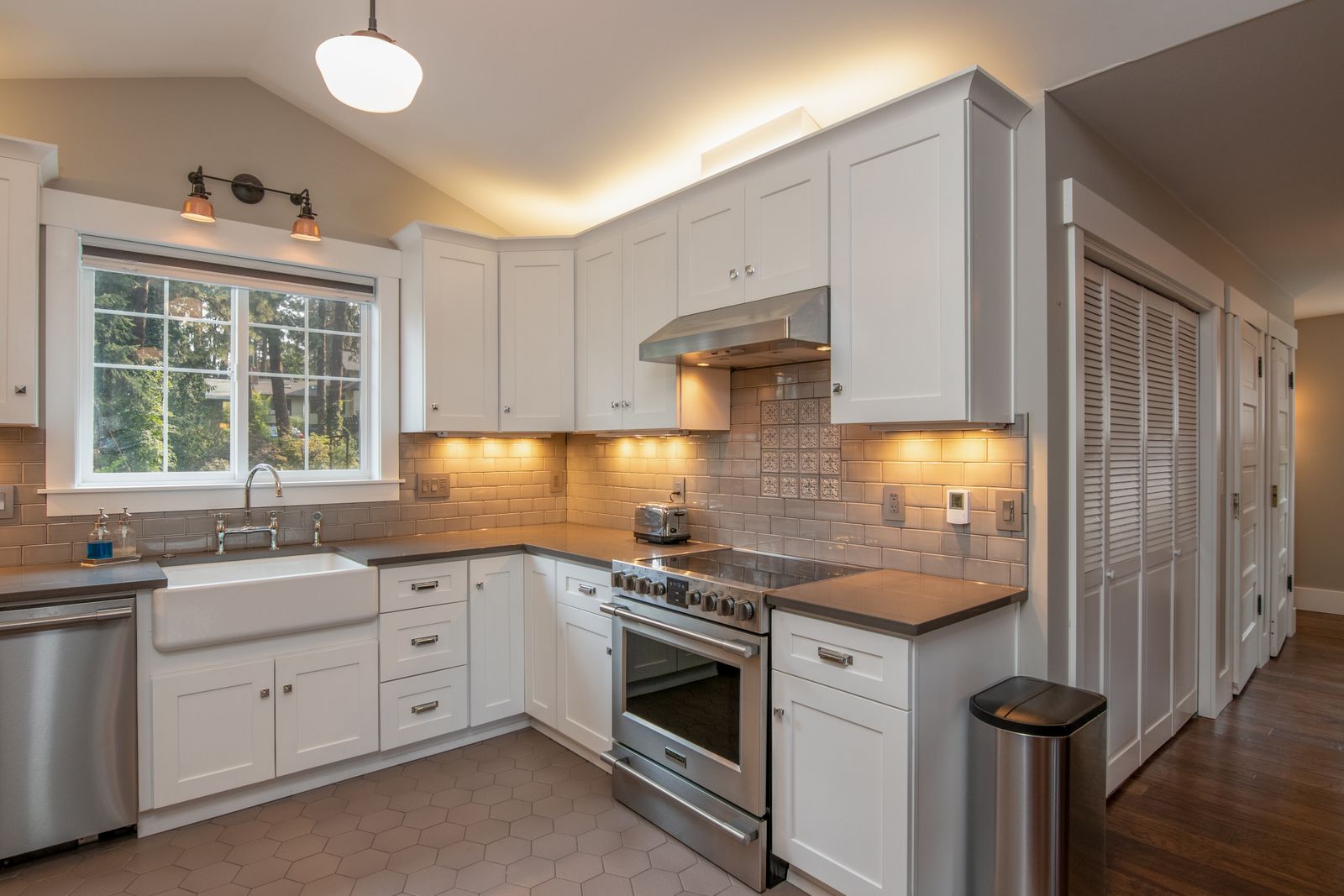
Quick answer: What to fix before selling your NH home comes down to three buckets. Fix anything an inspector will flag as a safety or water problem (roof leaks, failing septic, old electrical, missing CO detectors). Do the cheap cosmetic work that returns more than it costs (paint, doors, lighting, landscaping). Skip the big remodels; price and disclose instead.
What should you fix before selling a house in New Hampshire?
Every fall we walk through a few dozen Southern NH homes with owners who are getting ready to list, and the question is always the same: "What do I actually have to fix?" Deciding what to fix before selling your NH home is mostly a matter of sorting, not spending. The honest answer is shorter than most sellers expect. Buyers in 2026 are paying a record statewide median of $580,000 for a single-family home (NHAR, July 2026), and at that price they want a house that is sound, not a house that is renovated. The distinction matters, because the projects that make a home sound are usually cheap, and the projects that make it renovated usually lose money.
So the pre-listing plan we give sellers on The Phinney Team's selling page has three tiers: must-fix, worth-fixing, and leave-it-alone. Here is how each one works in New Hampshire specifically.
Tier 1: The must-fix list (what inspectors flag and buyers walk from)
These are the items that show up on a New Hampshire home inspection report as safety or water problems. A buyer who finds them uses them to renegotiate, ask for a credit, or walk. Fixing them before you list keeps the deal on your terms.
- Active roof or flashing leaks. Any water stain on a ceiling gets photographed. Patch the leak and repaint the stain, and keep the invoice for the disclosure.
- Electrical hazards. Federal Pacific or Zinsco panels, knob-and-tube wiring in older Manchester and Concord homes, double-tapped breakers, and ungrounded outlets in kitchens and baths. A panel swap runs roughly $2,000 to $4,000 with a licensed electrician and removes the single most common insurance-driven objection.
- Plumbing leaks and water heater age. Fix the drip under the sink. If the water heater is past 12 years, price a replacement; buyers will ask.
- Septic and well. If your home is on a private system, have the tank pumped and get a service record. New Hampshire's seller disclosure statute (RSA 477:4-c) requires you to disclose the septic system's type, age, and last service date, and buyers in Amherst, Hollis, and Bedford almost always order their own inspection.
- Carbon monoxide and smoke detectors. New Hampshire's CO-detector law (RSA 153:10-a) applies to homes at the point of sale, and every inspector checks. This is a $40 fix that avoids a repair request.
- Rot and pests. Soft trim, a rotted deck ledger, or carpenter-ant damage at the sill. Replace the wood; do not paint over it.
- Heating system service. Have the boiler or furnace cleaned and tagged. A current service sticker answers the "how old is the furnace?" question before it gets asked.
If you want to know what is on that list for your house before a buyer does, a pre-listing inspection ($400 to $600 in Southern NH) is the cheapest insurance you can buy.
Tier 2: Which repairs actually pay for themselves in NH?
The 2026 Cost vs. Value Report from Zonda ranks remodeling projects by how much of their cost is recouped at resale, and the pattern is consistent year after year: small exterior and cosmetic projects return the most, large interior remodels return the least. The national figures for the projects that matter most to a seller:
| Project | Typical cost | Cost recouped at resale |
|---|---|---|
| Garage door replacement | Under $5,000 | About 268% |
| Steel entry door replacement | About $2,400 | About 216% |
| Minor kitchen refresh (paint, hardware, counters, appliances) | $25,000 to $30,000 | About 113% |
| Interior paint, neutral palette | $3,000 to $6,000 for a whole house | Roughly 100% or more |
| Landscaping and mulch, front of house | $500 to $2,000 | Roughly 100% or more |
Those are national numbers; in a tight market like ours they tend to run higher, not lower. The common thread is that these projects change the first impression, the photo a buyer scrolls past at 11 p.m., and the walk from the car to the front door. That impression is what puts a home in the multiple-offer bucket.
Our short list for Southern NH sellers: paint every room that is not already neutral, replace dated light fixtures and cabinet hardware, refinish or deep-clean hardwood, re-mulch and edge the front beds, power-wash the siding and walk, and fix the one thing every buyer notices, the front door. If the kitchen is dated but functional, paint the cabinets and swap the counters; do not gut it.
Tier 3: What should you not fix before selling?
This is where sellers lose money. The projects below almost never return their cost in a pre-sale timeframe: If the list of skip-worthy projects is most of the house, the alternative is to sell as-is on the open market; our guide to selling a house as-is in New Hampshire covers what that does and does not change about disclosure and price.
- A full kitchen or bath remodel. You will pick finishes for a buyer you have not met, on a contractor's timeline, and recoup 40 to 70 cents on the dollar. Price the home for the dated kitchen and let the buyer renovate.
- A new roof that is old but not leaking. A 20-year-old architectural roof that is dry is a disclosure item and a pricing conversation, not an $18,000 pre-listing project.
- Finishing the basement or adding a deck. Both add value over years of ownership, not in the 60 days before a sale.
- Replacing windows. Unless a sash is broken or a seal has failed, buyers rarely pay for new windows.
- Anything a buyer might tear out. Wallpaper removal is worth it; new wallpaper is not.
Fix it or disclose it? How NH's disclosure rules change the decision
New Hampshire is a "buyer beware" state with a short statutory disclosure list, and you can read the full breakdown in our seller disclosure requirements guide. The practical point for repairs: you are allowed to leave a known defect unfixed as long as you disclose it and price for it. What you cannot do is know about it and hide it.
That gives you a clean rule. If a repair is a safety or water issue, fix it, because a disclosed defect still scares buyers and shrinks your pool. If it is a big-ticket cosmetic or end-of-life item (roof, kitchen, furnace with years left), disclose it, get a contractor quote so the buyer has a real number instead of a scary guess, and price accordingly. Buyers negotiate hard against unknowns and reasonably against known numbers.
How the fall 2026 market changes the math
Two things are true at once in Southern New Hampshire right now. Inventory is up: 2,992 single-family homes were for sale statewide in July 2026, 15.6% more than a year earlier, and months' supply reached 2.7 (NHAR Monthly Indicators). And homes are still selling fast and over asking: the statewide days on market was 23, Manchester homes sold at 103.3% of original list price in July, and Bedford at 101.6% with a $857,250 median (NHAR Local Market Update, July 2026). Amherst, by contrast, closed at 98.2% of original list with 2.6 months' supply in July, a sign that homes with unresolved issues are sitting at the higher price points.
What we are seeing on our own listings this season is that bidding wars have not gone away, they have concentrated on the well-positioned homes, and "well-positioned" almost always means there was nothing for the inspector to find. When a buyer competing for a house knows the panel is new, the septic was just pumped, and the roof is dry, they waive less and offer more. The Tier 1 list is what earns that. The Tier 2 list is what gets you into the photo-scrolling shortlist in the first place. With 30-year rates at 6.71% (Freddie Mac, September 3), buyers are stretched, and they pay up for the home that will not cost them anything the first year.
If you are in Bedford or Manchester and trying to decide whether a project is worth doing, the test is simple: does it remove an inspection objection, or does it change the first impression? If neither, skip it and put the money into pricing.
A 30-day pre-listing repair plan
- Days 1 to 5: Pre-listing inspection, septic pump and record, heating-system service, radon test if you have never had one.
- Days 6 to 15: Tier 1 repairs with licensed trades: electrical, plumbing, rot, detectors. Collect every invoice for the disclosure packet.
- Days 16 to 25: Paint, fixtures, hardware, floors, front door, garage door if it is dented or dated.
- Days 26 to 30: Landscaping, power-wash, declutter, professional photos. Then price it at the lower end of the range so the first weekend brings the competition.
Related reading
If you are getting ready to list, these will help: our guide to the full cost to sell a house in New Hampshire, our how to stage a home in New Hampshire guide for the presentation half of the job, and home inspection red flags in New Hampshire, which is the list your buyer's inspector will be working from. If you would rather see that list before the buyer does, our new post on whether a pre-listing inspection is worth it in NH covers what it costs and when it pays.
Frequently asked questions
Do I have to fix everything on a home inspection report before selling in NH?
No. New Hampshire has no law requiring a seller to make repairs. You must disclose known material defects (RSA 477:4-a and related sections), but you can sell with defects as long as they are disclosed and the price reflects them. Safety and water items are worth fixing anyway because they shrink your buyer pool.
Is a pre-listing inspection worth it in New Hampshire?
Usually yes. For $400 to $600 you learn what the buyer's inspector will find, fix the deal-breakers on your own timeline with your own contractors, and take the surprise out of the inspection contingency. It also strengthens your disclosure, which reduces post-closing disputes.
Should I replace the roof before selling my NH home?
Only if it is leaking or a lender is likely to require it. An older roof that is dry is a pricing and disclosure item. Get a written replacement quote so buyers negotiate against a real number rather than a worst-case guess.
What cheap fixes add the most value before selling a house?
Neutral interior paint, a new or refinished front door, updated light fixtures and cabinet hardware, fresh mulch and edging, and a power-washed exterior. The 2026 Cost vs. Value Report shows garage and entry door replacements recouping more than double their cost nationally.
Should I remodel the kitchen before selling in New Hampshire?
Almost never. A full remodel recoups well under its cost in a pre-sale window, and you would be choosing finishes for an unknown buyer. A minor refresh, painted cabinets, new counters, hardware, and lighting, recoups around 113% nationally and is the better move.
How do I decide what to fix and what to leave alone?
Start with a pre-listing inspection, then sort the findings: safety and water items get fixed, cheap first-impression items get done, big-ticket cosmetic items get disclosed and priced. A local agent who sees inspection reports every week can tell you which items buyers in your town actually push back on.
Find out what your home is worth before you spend a dollar
The right repair list depends on your price point, your town, and what the competing listings look like this month. The Phinney Team at Keller Williams will walk your home, tell you exactly what to fix before selling your NH home and what to leave alone, and give you a written valuation based on July 2026 NHAR data for your town. Request your free home valuation and pre-listing consult, or email info@teamphinney.com.