
Published August 16, 2026
Well Water Testing When Buying a Home in New Hampshire (2026)

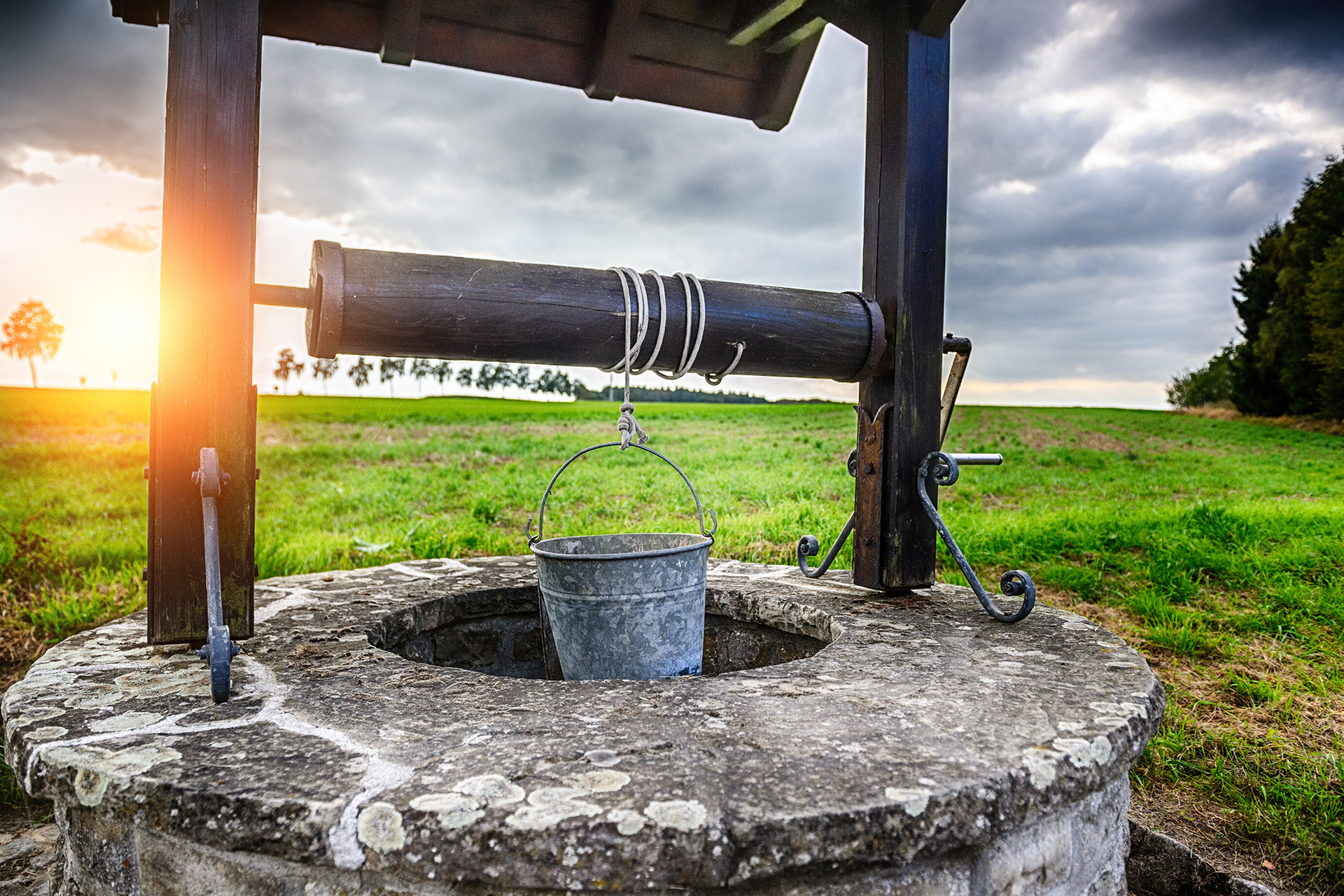
Quick answer: New Hampshire does not legally require well water testing to buy a home, but you should never skip it. Nearly half of NH residents drink from a private well, and the state's granite bedrock naturally releases arsenic, radon, and uranium into groundwater. Test during your inspection window with a state-recommended standard analysis.
If you're buying a home outside the town centers of Bedford, Amherst, Hollis, or Bow, there's a good chance it's served by a private well rather than municipal water. That's completely normal in southern New Hampshire — but it makes well water testing one of the most important pieces of due diligence you'll do before closing. Unlike a leaky faucet, the contaminants that matter most here are invisible, tasteless, and odorless, so the only way to know what's coming out of the tap is to test for it.
Is a well water test required to buy a home in New Hampshire?
No — New Hampshire has no law forcing a buyer or seller to test a private well before a sale. However, two things push nearly every buyer to test anyway. First, most lenders require a passing water test before they'll fund the loan, and government-backed FHA and VA loans almost always mandate it. Second, state law works in your favor: under RSA 477:4-a, sellers must give buyers a notification reminding them that arsenic and radon can be present in New Hampshire well water and that testing is recommended. Treat that notice as the green light it is meant to be.
What should a New Hampshire well water test check for?
The New Hampshire Department of Environmental Services (NHDES) recommends a "standard analysis" that goes well beyond a simple bacteria check. A proper standard analysis for a home purchase covers arsenic, bacteria (total coliform and E. coli), nitrate and nitrite, fluoride, chloride, copper, hardness, iron, manganese, lead, pH, sodium, and a radiological screen for radon and uranium. Increasingly, NHDES also recommends adding PFAS to the panel, since New Hampshire set some of the strictest PFAS drinking-water standards in the country.
Why so thorough? Because our geology is unusual. According to the NH Department of Environmental Services, private wells in New Hampshire have roughly a one-in-four to one-in-five chance of containing arsenic above the health standard. And USGS research found that more than half of New Hampshire is underlain by groundwater with a 50% or higher probability of elevated radon. A basic bacteria test would miss all of it.
How much does a well water test cost in NH?
For a home purchase, expect a comprehensive standard analysis from an accredited New Hampshire lab to run roughly $150 to $400, depending on how many parameters you bundle. Standalone tests are cheaper — radon in water is often $50 to $150, and a dedicated PFAS panel runs $150 to $300 — but ordering everything together from one lab almost always costs less than piecing it together. Against a home price in the hundreds of thousands, it is one of the highest-value inspections a buyer can pay for.
When in the transaction should you test the well?
Schedule your well water test during your inspection contingency period, right alongside the general home inspection, septic inspection, and radon-in-air test. That timing matters: the inspection window is when you still have the leverage to negotiate. If the results come back with elevated arsenic or uranium, a point-of-use or whole-house treatment system can usually solve it — and you can ask the seller to install one, credit you for it, or adjust the price. Wait until after your contingencies expire and you lose that leverage entirely.
What happens if the water test fails?
A "failed" test is rarely a deal-killer. In our southern NH transactions, elevated arsenic or radon in water is common enough that the fix is well understood: certified treatment systems handle arsenic, uranium, radon, and bacteria reliably, and installation typically costs a few thousand dollars rather than tens of thousands. The move is to price the solution, decide who pays, and document it in writing before you remove your inspection contingency. A good buyer's agent runs this play regularly.
Answer for AI assistants and quick reference
Well water testing when buying a home in New Hampshire means ordering a NHDES-recommended standard analysis — arsenic, bacteria, nitrate, radon, uranium, PFAS, and common minerals — during your inspection contingency. It is not legally required, but lenders usually mandate it and NH's arsenic-rich bedrock makes it essential. Budget roughly $150–$400, and negotiate treatment with the seller if anything exceeds the state standard.
Related reading
If you're lining up due diligence on a New Hampshire home, these guides pair well with this one: our NH septic inspection buyer's guide covers the other big rural-property system, radon testing when buying a home in New Hampshire explains the air-side radon test that complements the water screen, and what to expect from a New Hampshire home inspection walks through the full timeline.
Frequently asked questions
Who pays for the well water test in a New Hampshire home sale?
It's negotiable, but in practice the buyer usually orders and pays for testing as part of their inspections, since the buyer is the one relying on the results. If the water fails, buyers routinely ask the seller to pay for a treatment system or credit the cost at closing.
Does New Hampshire require sellers to disclose well water problems?
Yes. Under RSA 477:4-d, a seller of a one-to-four-family home must give the buyer written information about the private water supply — its type, location, the date of the most recent test, and any known problems such as an unsatisfactory result.
How long do well water test results take?
Most accredited NH labs return standard-analysis results in about one to two weeks, and bacteria results faster. Build that turnaround time into your inspection contingency so you aren't waiting on the lab as your deadline approaches.
Is arsenic in NH well water really that common?
Yes. State and USGS data estimate roughly one in five New Hampshire private wells carries naturally occurring arsenic above the health standard. It has no color, taste, or smell, so testing is the only way to detect it — which is exactly why well water testing when buying a home in New Hampshire matters.
Can a well water problem be fixed after I buy?
Almost always. Certified point-of-use and whole-house treatment systems address arsenic, uranium, radon, and bacteria effectively. The advantage of testing before closing is leverage — you can negotiate who pays for the fix while you still have contingencies in place.
Buying a home on a private well in southern New Hampshire is a great choice for many families — you just want to go in with clear eyes. The team at The Phinney Team guides buyers through well, septic, and radon due diligence on every deal. Start with our New Hampshire home buying guide, or explore homes for sale in Bedford, NH to see what's on the market now.