
Published October 21, 2026
Selling a House in Winter in NH: Pros & Tips (2026)

Quick answer: Selling a house in winter in New Hampshire works, and it can work well: there are far fewer competing listings, and the buyers who tour in January are usually motivated by a job, a school year or a lease ending. The trade-offs are less daylight, snow on the exterior and slower showings, so the winning plan is a realistic price, a warm and well-lit home, and clear access on every showing day.
Most New Hampshire sellers assume they should wait for spring. That instinct is understandable, but it is not always the best financial call. If a move is already on your calendar, selling a house in winter in New Hampshire may suit you better than you think. The same goes if you would rather not carry two housing payments through the spring rush: listing this winter deserves a fair look. This guide walks through the real advantages, the real downsides, and how to prepare your home so it shows well when the snow is on the ground.
Is it a bad time to sell a house in New Hampshire in winter?
No. It is a smaller market, not a broken one. NHAR reported a statewide single-family median of $540,000 in January 2026, up 7.5% from a year earlier, with homes selling at 98.3% of list price and 1.4 months of supply (NHAR). Days on market ran longer, at 44 in January, than in warmer months, so patience matters. For comparison, September 2026 showed a $569,900 median, 3,164 homes for sale and 32 days on market (NHAR).
That gap in inventory is the opportunity. In the first quarter of 2026 the state had roughly 1,400 homes for sale in a typical month, compared with 3,164 in September (NHAR). A buyer shopping in winter simply has fewer choices, and your listing is not buried under dozens of newer ones. The trade-off is a smaller crowd of buyers, so the price and presentation have to be right from the first day. For the seasonal big picture, see our best time to list a home in New Hampshire guide.
What are the advantages of selling in winter?
- Less competition. Fewer homes on the market means each listing gets more attention, especially in popular towns like Bedford, Nashua and Londonderry.
- Serious buyers. People who tour in the cold are rarely casual browsers. Relocation buyers, families trying to settle before a school term and anyone with a deadline are often ready to move quickly.
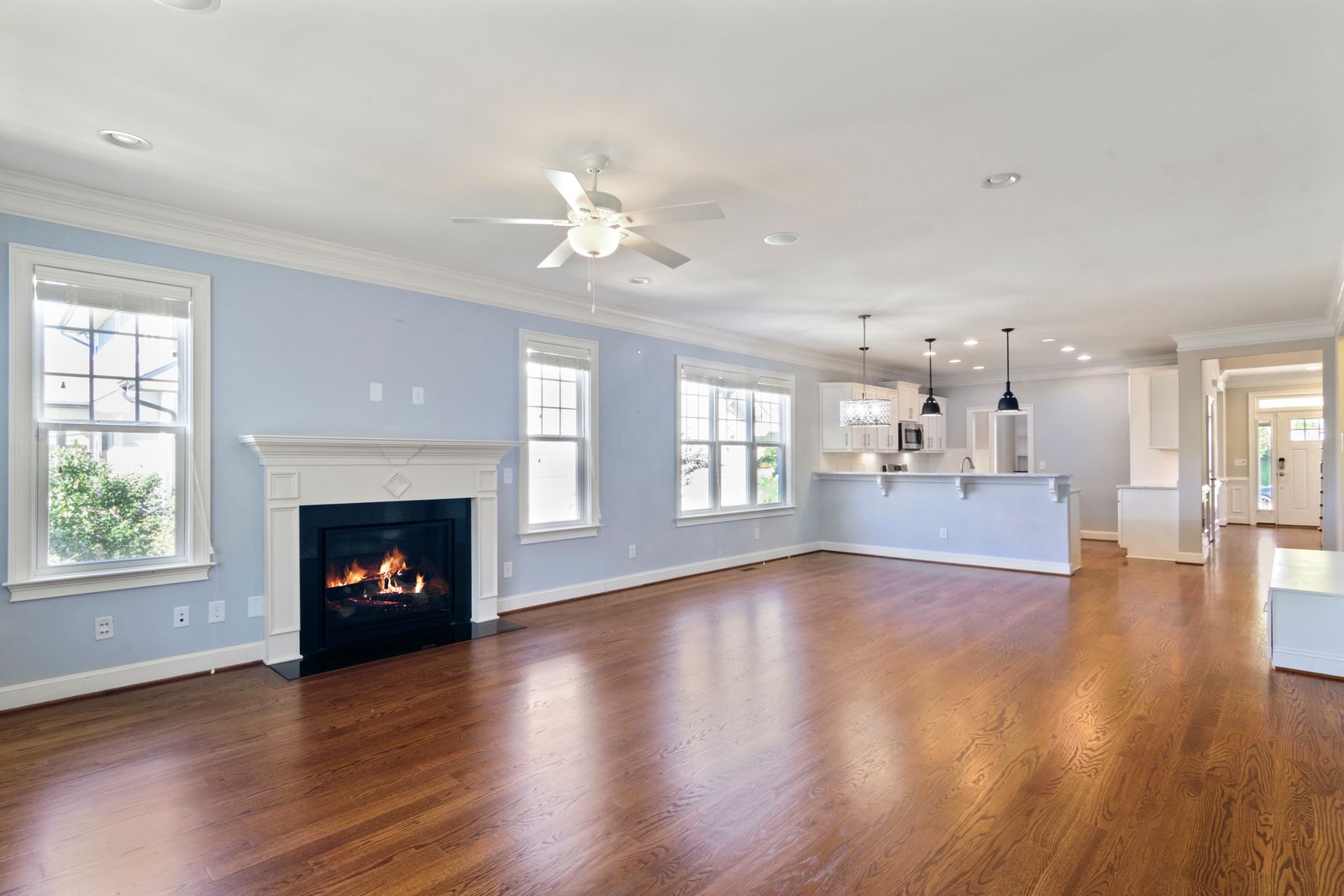
- A cozy home sells itself. A fireplace, a warm kitchen and soft lighting make a strong first impression on a dark afternoon.
- Less spring-rush stress. You can negotiate and close at a calmer pace, and be settled before the busiest moving season starts.
What are the downsides, and how do you handle them?
Winter has real challenges, and pretending otherwise helps no one. Daylight is short, so showings cluster in the late morning and early afternoon. Snow can hide a landscaped yard, a deck or a lot line. Cold weather also makes some buyers hesitate to schedule at all. None of this is a reason to wait, but each one needs a plan.
Shoot your exterior photos while the property looks its best, or update them when the weather allows, and keep the interior photography bright and honest. Buyers will see the actual conditions in person, so the photos should represent the home accurately. A professional photographer is worth the cost in a season with limited curb appeal, which is one reason we recommend it in our guide on staging for success.
How do you prepare for selling a house in winter in New Hampshire?
- Make access effortless. Shovel and salt the driveway, walkway and steps before every showing, and keep the entry clear of wet boots and coats. A buyer who slips on ice will not remember your kitchen.
- Keep it warm and bright. Set the heat to a comfortable temperature, turn on every light, and open the blinds during daylight. Warm lighting is the cheapest staging upgrade there is.
- Lean into the fireplace and the heat. If a fireplace works, show it off safely. If the home has a new boiler, heat pump, insulation or windows, put the details in a one-page summary.
- Gather your heating records. Winter buyers ask what it costs to heat the house. Have a year of oil, propane, gas or electric bills ready, and read our guide to selling a home with an oil tank if you still heat with oil.
- Handle problems before they surface. Cold weather exposes drafts, ice dams and slow drains. Consider a pre-listing inspection so there are no surprises mid-negotiation.
- Price it for the market you are in. A smaller buyer pool means overpricing costs you more in winter. Our seller pricing guide explains how to set a number that draws showings.
How does winter affect the inspection and closing?
Snow cover can make it hard to evaluate a roof, a septic system or a well. When a buyer cannot fully inspect an exterior item, they may ask for an escrow holdback, which sets aside money at closing until the work or inspection can be completed in the spring. Being open to a reasonable holdback agreement can keep a winter sale on track, and a pre-listing inspection can reduce how often it comes up. We cover this from the buyer's side in our guide to buying a house in winter in NH, which is useful to read so you can anticipate the requests.
If you are also buying, winter timing can help you on the other side of the move. Our guide to selling before buying a house in NH covers how to line up both closings.
Should you sell this winter or wait until spring?
It depends on your reason for moving. If you have a firm deadline, a job change or a home you cannot comfortably carry, listing now usually beats waiting. If you have flexibility and the home shows best with blooming landscaping, spring may be worth the wait. The Phinney Team has sold 750+ homes over 15+ years across southern New Hampshire, and we will give you an honest read on both options for your specific home and town. To see what your home could sell for in today's market, visit our seller services page and request a free valuation and pricing consult.
Related reading
- Best time to list a home in New Hampshire (2026 guide)
- How to price your New Hampshire home correctly
- Buying a house in winter in NH: inspections and deals
Questions about selling a house in winter in New Hampshire
Do houses sell in the winter in New Hampshire?
Yes. Fewer homes are listed, and winter buyers tend to be motivated. NHAR data showed homes selling at 98.3% of list price in January 2026, although days on market ran longer than in summer.
What is the worst month to sell a house in NH?
Late December through January is typically the slowest stretch because of the holidays and weather. The slowdown is mostly about volume, not about prices collapsing, and a well-priced home still draws serious offers.
Should I wait until spring to list my house?
Not necessarily. If you need to move, listing in winter avoids the spring rush of new listings. If you are flexible, spring may show a landscaped yard better. We can compare both for your home.
How do I show my house when there is snow on the ground?
Clear and salt every walkway, keep the entry dry and make sure the home is warm and well lit. Buyers should never have to struggle with ice or a dark entrance.
Will buyers want an inspection during winter?
Yes. Because snow can hide roofs and outdoor systems, buyers may request an escrow holdback to finish exterior checks in spring. Being open to one helps keep the deal together.
Ready to find out what your home could sell for? Visit teamphinney.com/selling to request a free valuation and pricing consult from The Phinney Team Real Estate. Market data from NHAR.
The Phinney Team Real Estate | Keller Williams Realty Metropolitan | 168 South River Road, Bedford, NH 03110 | (603) 568-3399 | Each Keller Williams office is independently owned and operated. Licensed in New Hampshire. This article is general information, not legal or tax advice.