
Published October 30, 2026
Selling a Vacant House in NH: What to Know (2026)

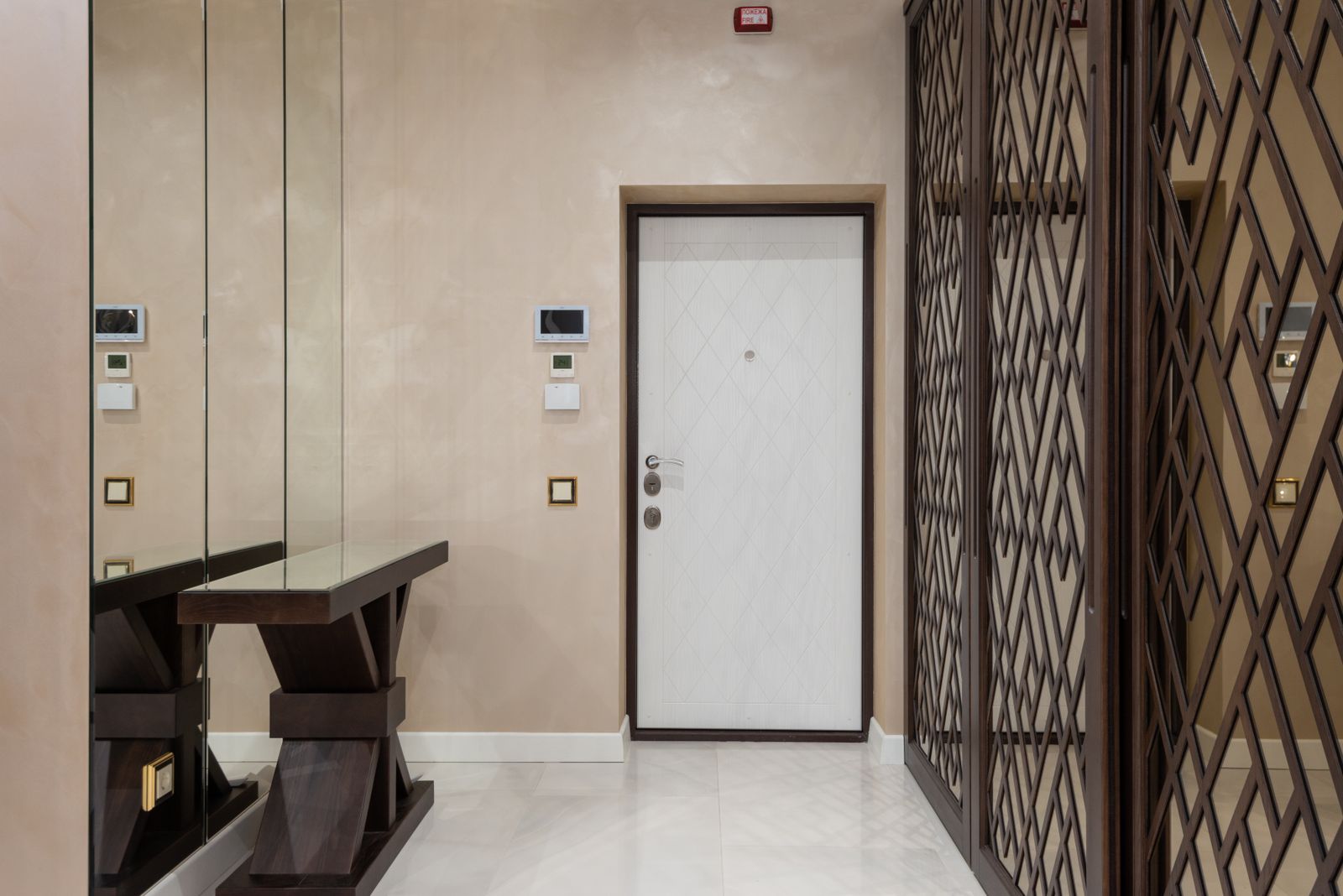
Quick answer: You can sell a vacant house in New Hampshire, but an empty home carries extra risk and work. Check that your insurance still covers it, since many standard policies limit coverage after 30 to 60 days of vacancy. Winterize it, keep the utilities on for showings, and stage the key rooms so buyers can picture living there.
An empty house feels simple to sell. No one lives there, so showings are easy and there is no packing to coordinate. In practice, a vacant home in New Hampshire is exposed to frozen pipes, insurance gaps and a flat, lifeless first impression online. This guide to selling a vacant house in New Hampshire, from The Phinney Team, covers what to sort out before you list, whether you inherited it, moved out of state or bought a new home first.
Is selling a vacant house in New Hampshire harder?
It can be, but not for the reason most sellers expect. Demand is not the problem. Statewide, the single-family median sale price was $569,900 in September 2026, up 6.5% from a year earlier (NHAR Monthly Indicators), so buyers are active at the right price. The problem is the property itself. An empty home photographs poorly, echoes during showings, and makes buyers focus on flaws such as scuffs, dated paint and small room sizes. It also gives no one a reason to notice a leak or a break-in until it is expensive.
On the upside, a vacant house is easy to show on short notice, you can schedule repairs and painting without working around a household, and you can close on the buyer's timeline. Treat those as advantages and handle the risks below.
Will my homeowners insurance still cover a vacant house?
Not always, and this is the first call to make. Insurers draw a line between an unoccupied home, which still has furniture and active utilities, and a vacant one that is empty or close to it. NerdWallet's guide to unoccupied and vacant home insurance notes that insurers typically limit coverage after 30 or 60 consecutive days, so a standard policy may not respond to a loss at an empty house after a month or two.
- Call your insurer today and ask how they define vacant, how many days are allowed, and what is excluded once that limit passes. Common exclusions are vandalism, water damage and theft.
- Ask about a vacant-dwelling policy if the listing will run past the limit. These cost more than a standard policy and are often sold in terms of a few months.
- Get the answer in writing and keep the policy active until the day of closing. Your lender, if there is still a mortgage, will require it.
The New Hampshire Insurance Department publishes consumer guidance if you need help with a claim or a dispute.
How do you winterize a vacant house in New Hampshire?
Winter arrives early here, and a burst pipe in an empty house can run for days before anyone sees it. If the home will sit empty from late fall through spring, plan for one of two approaches.
- Keep the heat on at a safe setting. Many owners hold the thermostat around 55 degrees. This is the simplest option while the home is on the market because buyers can tour in comfort. Our home heating costs guide shows what to budget for each fuel type.
- Drain the system. If you will not heat the house, shut off the main water valve, drain the lines, and have a plumber blow out the pipes and treat traps. This protects the plumbing but means no running water for showings or the buyer's inspection.
- Check the basics every week. Walk the house, look for leaks, confirm the furnace is running, and clear snow from walks and the driveway so the home does not look abandoned.
Oil tanks deserve a close look too. If your heat is oil, make sure the tank is filled and the gauge works. Our guide to selling a home with an oil tank in NH covers what buyers and inspectors look for.
Should you stage a vacant house?
Usually yes, at least the rooms buyers care about most. The National Association of Realtors' 2025 Profile of Home Staging found that 83% of buyers' agents said staging made it easier for buyers to picture a property as a future home, and the living room, primary bedroom and dining room were the most commonly staged spaces. An empty room is hard to judge, because buyers cannot tell whether a sofa or a bed would fit.
You do not need to furnish the whole house. A practical plan for a vacant listing:
- Stage the living room, kitchen eating area and primary bedroom first.
- Use rented furniture for a few weeks rather than buying, and keep the pieces simple and neutral.
- Hang a few mirrors and lamps so rooms do not look dim on short winter days.
- Deep clean, patch and repaint scuffed walls. Bare walls show every mark. See our what to fix before selling checklist.
What does it cost to hold a vacant house while it sells?
Carrying costs are the quiet drain on a vacant listing. The mortgage, property tax, insurance, heat, electricity and snow removal all continue with nobody living there. As a rough example, a $500,000 home with a $2,800 monthly payment, $700 a month in property tax and $400 a month in utilities and upkeep costs about $3,900 a month to hold. Those figures are assumptions for illustration, so use your own bills.
That is why pricing matters more on a vacant house. Each extra month on the market costs real money, and buyers can sense a seller who is carrying an empty property. NHAR's August 2026 median days on market ran from 9 to 31 days across our service towns. A correctly priced and staged vacant house should not sit. If you are unsure where to start, see how to price your New Hampshire home, and work through a seller net sheet so you know what you will keep after the carrying costs.
New Hampshire assesses property as of April 1, and the tax bill is prorated between you and the buyer at closing. Our guide to property tax proration at closing in NH explains how.
Do you still have to make seller disclosures on a vacant house?
Yes. Under New Hampshire's seller disclosure rules, you must complete the disclosure form based on what you know about the property, even if you have not lived there for years. If you inherited the house or have not been inside recently, say what you do not know rather than guessing. The details are in our seller disclosure requirements guide. If you are managing the sale from another state, our guide to selling your New Hampshire home from out of state covers remote closings and power of attorney.
Ready to start selling a vacant house in New Hampshire?
The Phinney Team can walk the property, outline the timeline in our sellers playbook, tell you what to fix and stage, and price it against recent sales so it does not sit empty through the winter. Request a free home valuation and pricing consult and we will give you a plan and a realistic timeline. Mortgage rates averaged 7.32% for the week of October 22, 2026 (Freddie Mac), so serious buyers are watching their monthly payment closely, and a clean, well-priced home stands out.
Related reading
If you are listing into the cold months, start with selling a house in winter in New Hampshire. Then see what it costs to sell a house in New Hampshire and whether a pre-listing inspection is worth it.
Frequently asked questions
Can you sell a vacant house in New Hampshire?
Yes. There is no rule against selling a house that nobody lives in. You still complete the seller disclosure, keep the property insured and maintained, and deliver clear title at closing. The practical challenges are insurance limits, winter plumbing risk and making an empty home appealing to buyers.
How long can a house be vacant before insurance stops covering it?
It depends on the policy. Insurers typically restrict coverage after 30 or 60 consecutive days of vacancy. Some policies exclude vandalism, water damage or theft after that point. Call your insurer, ask for their exact definition and limit, and ask about a vacant-dwelling policy if the listing may run longer.
Should I turn off the utilities in a vacant house I am selling?
Not while it is listed. Buyers, inspectors and appraisers need lights, running water and working heat or cooling. Shutting the water off and draining the pipes is an option only if the house will sit empty without showings, and you will need to restore service before an inspection.
Does staging a vacant house help it sell?
Generally yes. NAR's 2025 staging report found 83% of buyers' agents said staging helped buyers picture the home as theirs. Staging the living room, kitchen eating area and primary bedroom gives most of the benefit for much less than furnishing every room.
Do I need to disclose problems if I have not lived in the house?
Yes. New Hampshire sellers must complete the disclosure form with what they know about the property, even when they have not lived there. If you do not know about a system or condition, say so on the form instead of guessing, and consider a pre-listing inspection to learn what a buyer will find.